Unlocking the potential of rice bran residue for green energy transformation in global markets
Rice bran residue, the byproduct after oil extraction from rice bran, represents a sustainable raw material for solid biomass fuel production. Its abundant annual yield in rice-producing regions such as China, Southeast Asia, and parts of Europe offers a significant opportunity for agricultural residues resource utilization and low-carbon circular economy development. For example, a medium-sized rice mill processing 100,000 tons of paddy annually can generate approximately 10,000 tons of rice bran residue, potentially converted into up to 5,500 tons of pelletized biomass fuel annually, assuming typical yield efficiencies. This transformation not only curbs waste but also converts residuals into high-value energy products.
The physical and chemical composition of rice bran residue crucially dictates its performance as a solid fuel. The dominant factors include:
Managing these parameters enables manufacturers to refine pellet quality and consistently achieve high calorific values.

Precise measurement of calorific value is essential for guaranteeing fuel quality and market acceptance. Two prevalent testing standards include:
Typical rice bran residue pellets demonstrate an average higher heating value (HHV) of 17.5 to 19.0 MJ/kg, aligning well with other agricultural biomass fuels. Slight variation in values arises due to geographic and processing differences.
Mastering pelletization process parameters decisively impacts final product quality. Engineers recommend focusing on these five parameters for optimal yield and calorific value:
“Controlling these core parameters is a game changer,” confirms a senior process engineer at a leading Chinese biomass plant. “We have seen >15% increase in calorific efficiency after process refinement, unlocking lucrative export opportunities.”
Government incentives and regulations play a pivotal role in scaling biomass fuel markets. For rice bran residue pellets:
Matching production outputs with target region policies can maximize return on investment and ensure smoother market entry.
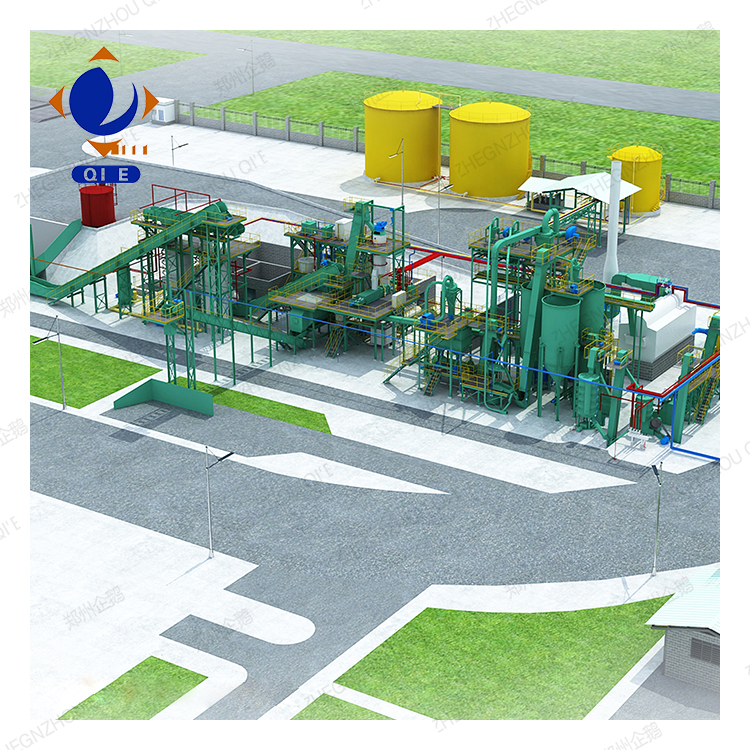
Real-world examples reinforce rice bran residue’s commercial potential. For instance:
These illustrate how technical mastery combined with policy alignment creates scalable green energy solutions.
Are you currently navigating agricultural waste projects in your region? Which technical or policy challenges do you face? Share your experience to help build targeted solutions that drive your biomass initiatives forward.

 456
|
456
|
 Palm kernel oil extraction machinery
Centrifuge application
Oil - water emulsification solution
Residue oil content reduction
Palm kernel oil purification technology
173
|
palm kernel crusher troubleshooting
crusher maintenance tips
palm kernel crushing process
oil extraction equipment
palm kernel particle size optimization
Palm kernel oil extraction machinery
Centrifuge application
Oil - water emulsification solution
Residue oil content reduction
Palm kernel oil purification technology
173
|
palm kernel crusher troubleshooting
crusher maintenance tips
palm kernel crushing process
oil extraction equipment
palm kernel particle size optimization
 332
|
Palm kernel oil centrifuge
Decanter centrifuge
Disc centrifuge
Oil purification technology
Centrifugal separation principle
125
|
palm kernel crusher selection
hammer crusher vs roller crusher
palm kernel crushing particle size
crusher maintenance tips
palm kernel oil extraction
332
|
Palm kernel oil centrifuge
Decanter centrifuge
Disc centrifuge
Oil purification technology
Centrifugal separation principle
125
|
palm kernel crusher selection
hammer crusher vs roller crusher
palm kernel crushing particle size
crusher maintenance tips
palm kernel oil extraction
 486
|
rice bran residue pelletization
biomass pellet fuel
agricultural waste energy utilization
molding process optimization
high calorific value pellet fuel
486
|
rice bran residue pelletization
biomass pellet fuel
agricultural waste energy utilization
molding process optimization
high calorific value pellet fuel