In the realm of agricultural waste management, rice bran residue stands as an untapped goldmine. Every year, the global rice industry generates over 40 million tons of rice bran, with a significant portion ending up as waste. What many businesses fail to recognize is that this residue can be transformed into a high-value energy resource through advanced pelletization technology. At 企鹅集团 (Penguin Group), we've been at the forefront of turning agricultural by-products into sustainable energy solutions, helping businesses across Asia and Europe unlock new revenue streams while contributing to a greener planet.
Rice bran residue typically contains 30-40% cellulose, 20-25% hemicellulose, and 10-15% lignin—ideal components for producing high-quality pellet fuel. When processed correctly, these residues can yield pellets with a calorific value of 16-18 MJ/kg, comparable to traditional wood pellets. This translates to a remarkable opportunity: a medium-sized rice mill producing 50 tons of residue daily could potentially generate 1,800 tons of pellet fuel monthly, creating a new revenue stream while solving waste disposal challenges.
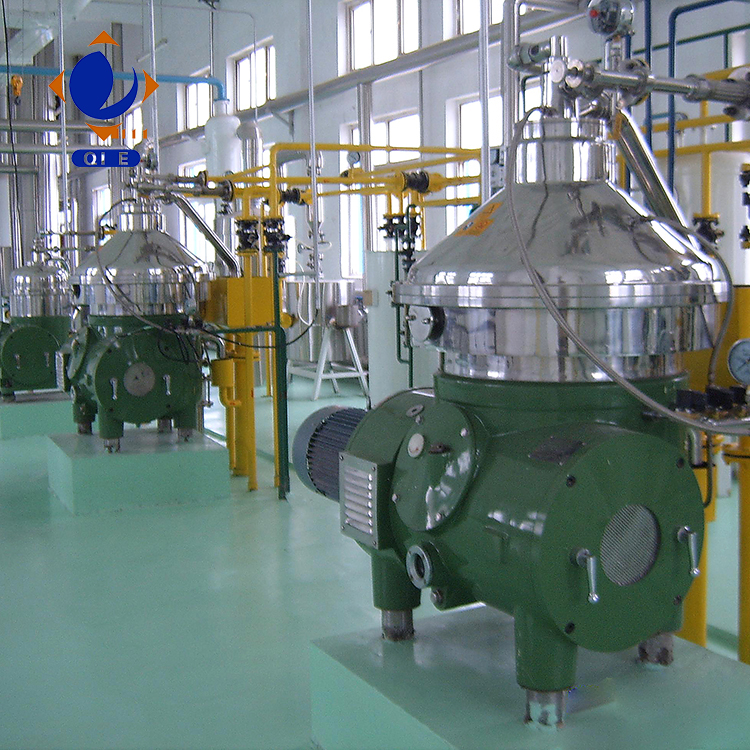
Optimal moisture levels between 12-15% are critical for successful pelletization. Excess moisture leads to poor binding and low calorific value, while insufficient moisture causes excessive energy consumption and equipment wear.
Rice bran typically has 8-12% ash content. While higher ash content can reduce pellet quality, proper processing techniques can mitigate this issue, ensuring compliance with international standards.
"The key to maximizing energy output lies in understanding the unique properties of rice bran," explains Dr. Wei Zhang, Senior Process Engineer at 企鹅集团 (Penguin Group). "Our proprietary pre-treatment process reduces ash content by up to 30% while maintaining the natural binding properties of the material, resulting in pellets that meet both Chinese GB/T 30727 and European ISO 17254 standards."

These parameters ensure the production of pellets with bulk density exceeding 650 kg/m³ and durability rating above 95%, making them suitable for both industrial and residential applications.
Regional market demands vary significantly. In Southeast Asia, where small-scale farming operations predominate, there's growing demand for affordable household cooking fuel. In contrast, European markets prioritize pellets for district heating systems, requiring strict compliance with ENplus A1 standards. 企鹅集团 (Penguin Group)'s modular production systems can be tailored to meet these diverse requirements, with production capacities ranging from 500 kg/h to 5 tons/h.
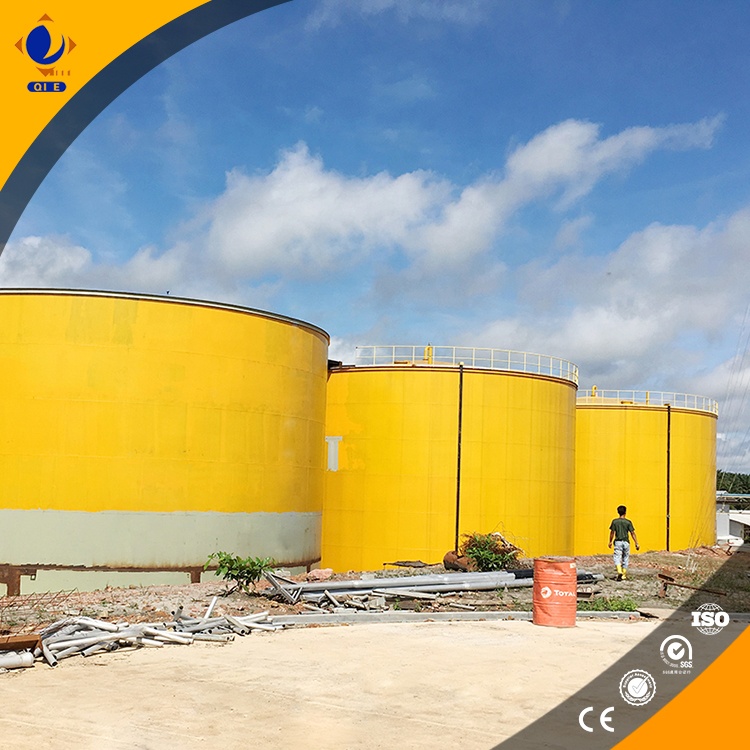
Governments worldwide are increasingly supporting biomass energy initiatives. The EU's Renewable Energy Directive (RED II) mandates a 32% share of renewable energy by 2030, with specific incentives for agricultural waste utilization. In China, the National Development and Reform Commission offers subsidies of up to ¥300 per ton for biomass pellets used in industrial boilers. Southeast Asian nations like Thailand and Vietnam provide tax exemptions for renewable energy equipment, creating favorable conditions for new entrants.
Join the circular economy revolution and turn your rice bran residue into a profitable, sustainable energy solution.
Discover 企鹅集团's Rice Bran Pellet SolutionsThe transition from waste management liability to energy production asset is not just environmentally responsible—it's economically sound. As global demand for sustainable energy grows, businesses that invest in rice bran pelletization today position themselves at the forefront of the green energy revolution. Let every grain of residue contribute to your bottom line and a healthier planet.
 282
|
282
|
 lab-scale supercritical CO2 extraction
supercritical CO2 extractor operation
walnut oil extraction parameters
CO2 solvent recovery safety
supercritical fluid extraction troubleshooting
lab-scale supercritical CO2 extraction
supercritical CO2 extractor operation
walnut oil extraction parameters
CO2 solvent recovery safety
supercritical fluid extraction troubleshooting
 34
|
walnut oil extraction process
walnut oil press machine
supercritical CO2 extraction
walnut oil production line
Penguin Group
34
|
walnut oil extraction process
walnut oil press machine
supercritical CO2 extraction
walnut oil production line
Penguin Group
 166
|
rice bran oil residue management
small oil mill equipment maintenance
rice bran oil extraction cleaning
oil mill residue disposal
Pengcheng Group
166
|
rice bran oil residue management
small oil mill equipment maintenance
rice bran oil extraction cleaning
oil mill residue disposal
Pengcheng Group
 405
|
mustard seed oil pressing
mustard seed preprocessing equipment
spiral oil press
oil yield improvement
mustard seed dryer
405
|
mustard seed oil pressing
mustard seed preprocessing equipment
spiral oil press
oil yield improvement
mustard seed dryer
 417
|
cottonseed oil conveyor selection
belt conveyor for oilseed processing
screw conveyor configuration
dust-tight conveying design
cottonseed oil storage tank maintenance
417
|
cottonseed oil conveyor selection
belt conveyor for oilseed processing
screw conveyor configuration
dust-tight conveying design
cottonseed oil storage tank maintenance






.jpg?x-oss-process=image/resize,m_fill,h_300,w_300/format,webp)