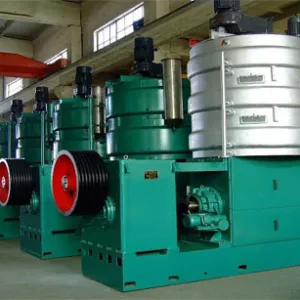
For exporters aiming to stand out in global markets, the quality of sesame oil isn’t just about taste—it’s about consistency, purity, and compliance with international standards. In this guide, we break down how modern extraction and refining processes—especially those involving hexane-based solvent extraction and multi-stage refining—can transform your production from basic to premium.
Understanding your machinery is the first step toward optimizing yield and quality. Here's what each component does:
The real magic happens during the six critical refining steps:
| Step | Purpose | Impact on Quality |
|---|---|---|
| Degumming | Removes phospholipids and gums | Prevents oxidation; improves shelf life by 30% |
| Dehydration | Eliminates moisture (target: < 0.1%) | Reduces microbial risk; prevents rancidity |
| Bleaching | Adsorbs pigments and trace metals | Improves clarity and color stability |
| Deodorization | Removes volatile compounds | Enhances flavor neutrality; meets ISO 22000 |
| Winterization | Removes waxy compounds | Ensures clear liquid at low temps (ideal for cold-pressed export grades) |
| Acid Neutralization | Removes free fatty acids (FFA < 0.1%) | Meets Codex Alimentarius standards for export |
Each stage must be monitored closely—small deviations in temperature or time can lead to off-flavors or inconsistent viscosity, which buyers notice immediately.
Smart refineries now integrate closed-loop solvent recovery systems that reclaim over 95% of hexane. This not only cuts operating costs by 12–18% annually but also reduces environmental impact—a major selling point for ESG-conscious importers in Europe and North America.
One Vietnamese processor reported a 22% drop in utility bills after retrofitting their desolventizer with a heat exchanger system. That’s more than $15,000 saved per year for a mid-scale plant producing 5 tons/day.

A Nigerian exporter upgraded their refining line from batch to continuous processing. Within six months, they achieved:
They now supply premium sesame oil to retailers in Germany and Canada—markets where quality certifications (like HACCP and BRCGS) are non-negotiable.
If you're serious about exporting high-quality sesame oil, it’s time to rethink your process—not just your packaging.
Ready to upgrade your sesame oil production? Let our team help you select the right extraction and refining solutions tailored to your capacity, budget, and export goals.
Get Your Customized Process Audit Today