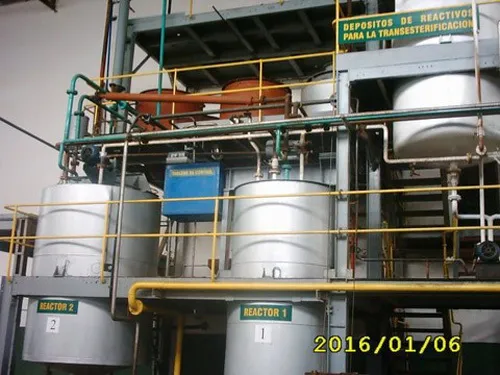
In the competitive global edible oil market, producers are under constant pressure to improve yield, reduce waste, and meet strict quality standards—especially for premium products like refined sesame oil. The key lies in mastering the six-stage de-oiling process: degumming, dehydration, decolorization, deacidification, deodorization, and solvent recovery. This technical deep dive explores how each step contributes to purity, shelf life, and compliance—with real-world data from successful refineries.
According to industry benchmarks from the International Oleochemical Society (IOS), a well-executed six-step refining process can increase sesame oil purity by up to 92% compared to traditional single-stage methods. More importantly, it reduces free fatty acid levels from an average of 1.8% to below 0.3%, significantly extending shelf life and minimizing rancidity risks—critical for export markets like the EU and North America where food safety regulations are stringent.
| Process Step | Key Objective | Typical Control Parameters |
|---|---|---|
| Degumming | Remove phospholipids and impurities | Water addition at 70–80°C, pH 4.5–5.5 |
| Dehydration | Eliminate residual moisture | Vacuum drying at 100–110°C, 2–3 hours |
| Decolorization | Reduce pigments (chlorophyll, carotenoids) | Activated carbon dosage: 0.5–1.5% w/w |
| Deacidification | Neutralize free fatty acids | NaOH concentration: 0.1–0.3%, temp: 80°C |
| Deodorization | Remove volatile odors and off-flavors | Steam stripping at 220–240°C under vacuum |
| Solvent Recovery | Maximize reusability of hexane | Recovery rate ≥ 98% with modern distillation units |
A mid-sized sesame oil producer in Penang reported a 15% reduction in raw material loss after optimizing solvent concentration during degumming and implementing precise temperature control in deodorization. Their product now consistently meets EU Commission Regulation (EC) No 182/2009 for food additives and has gained certifications from HACCP and ISO 22000—key prerequisites for B2B buyers in Germany and the Netherlands.
A: High-efficiency recovery systems reduce hexane emissions by over 90%, helping facilities comply with EPA and REACH standards.
A: For premium sesame oil, limit steam exposure to 60–90 minutes at 225°C—longer times degrade natural flavor compounds.
A: Yes—with modular equipment designs that allow incremental upgrades without full plant shutdown.
Whether you're managing a production line or developing new refining strategies, understanding these six steps isn’t just about technical know-how—it’s about building trust with international buyers who demand consistency, safety, and sustainability.
Explore our customizable hexane-based extraction and multi-stage refining systems, designed for high throughput, low energy consumption, and seamless integration into existing lines.
Learn More About Our Efficient Refining Solutions




.jpg?x-oss-process=image/resize,m_fill,h_300,w_300/format,webp)
