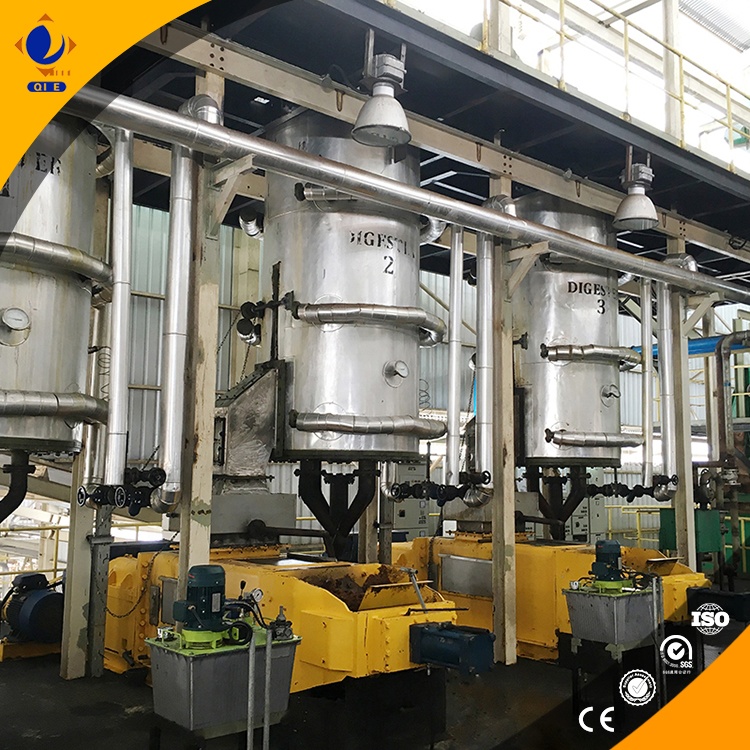
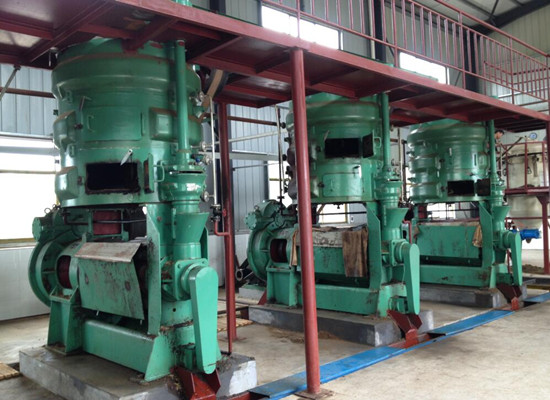
In the domain of high-end edible oils, cold-pressed sunflower oil has emerged as a favorite among health - conscious consumers. For small and medium - sized enterprises (SMEs) looking to enter this lucrative market, selecting the right production equipment and setting appropriate quality control indicators are crucial steps.
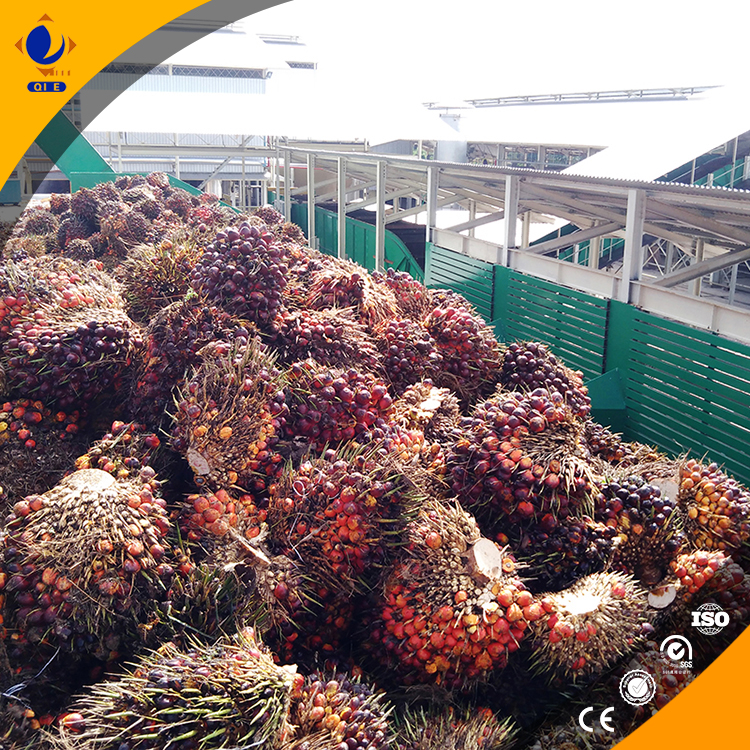
The production of cold - pressed sunflower oil starts with raw material screening. As industry experts point out, only high - quality sunflower seeds, with a moisture content of about 8% - 10%, can produce top - notch oil. After screening, the seeds go through a low - temperature crushing process. During this stage, it is vital to control the temperature below 60°C to preserve the natural flavor and active ingredients of the oil.
The next step is gentle pressing. A cold - press process that maintains a temperature of less than 60°C can better retain the unsaturated fatty acids, vitamin E, and other nutrients in the oil. According to research, cold - pressed sunflower oil retains up to 90% of its natural vitamin E, which is significantly higher than the 60% retained in hot - pressed oil. This is a significant health advantage for consumers.

Following pressing, precise filtration and low - temperature refining are carried out. Filtration removes impurities, ensuring the oil's clarity, while low - temperature refining can further enhance the stability of the oil's quality without destroying its nutrients.
In terms of sensory characteristics, cold - pressed sunflower oil has a lighter color, a more delicate flavor, and a natural, fresh taste. In contrast, hot - pressed oil has a darker color and a stronger, sometimes overpowering flavor. From a nutritional perspective, the cold - press process, as previously mentioned, retains more active ingredients, which is in line with the health needs of modern consumers.
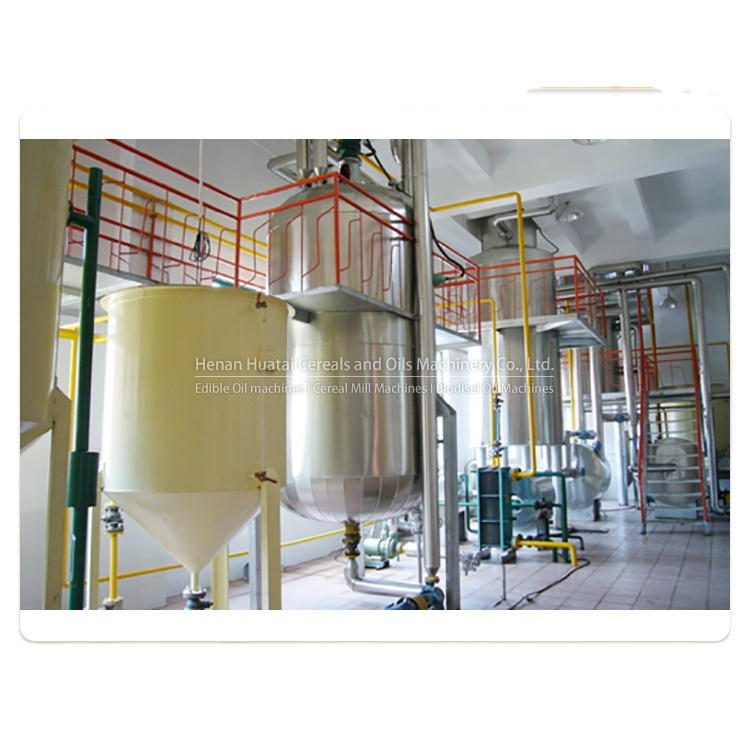
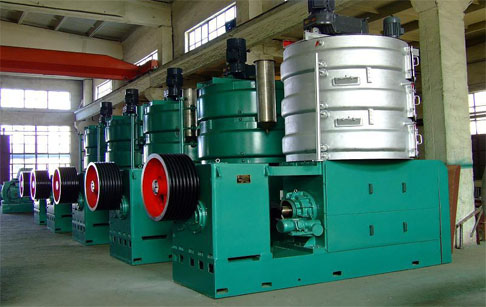
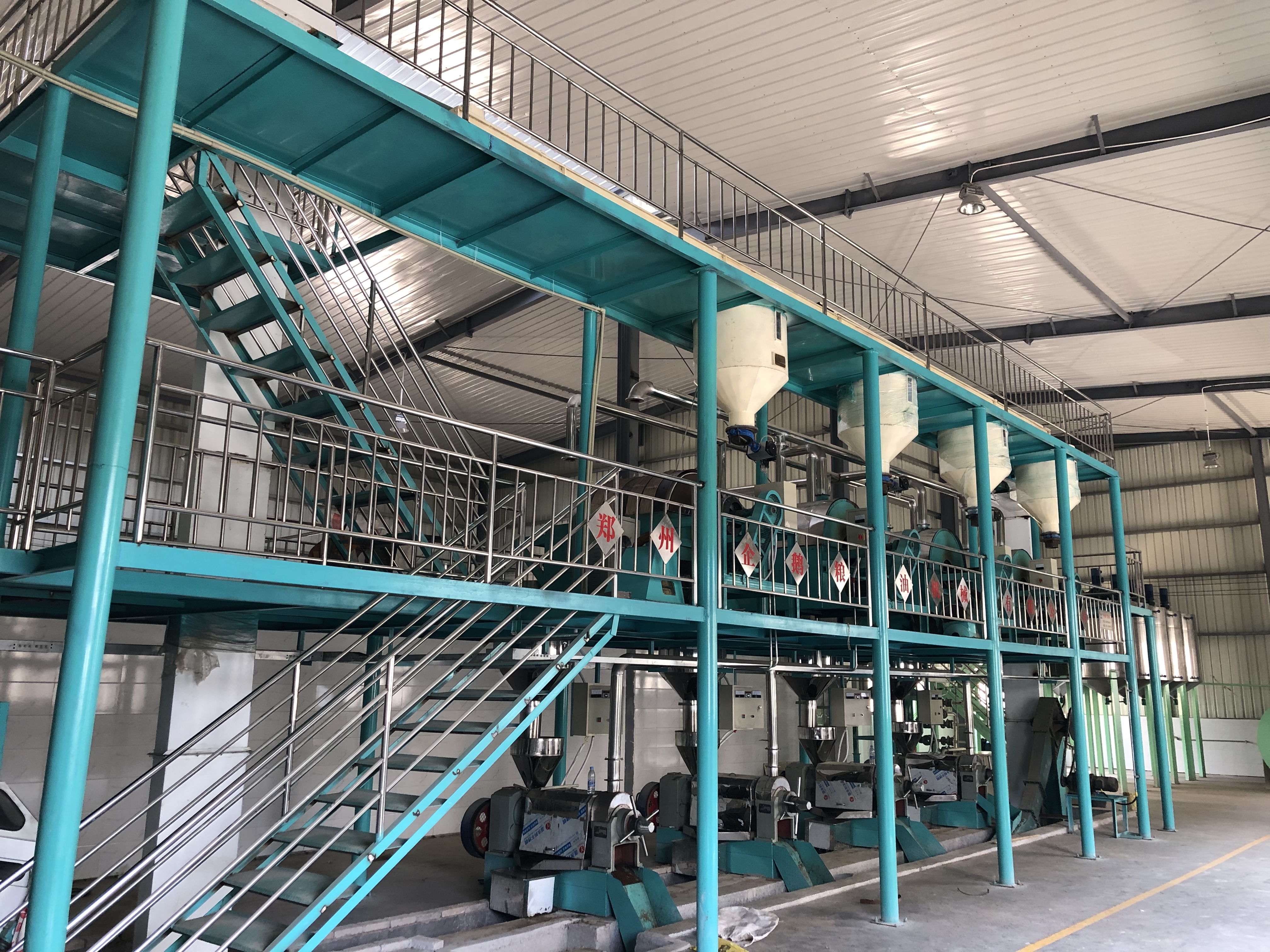
When it comes to equipment selection, SMEs should consider factors such as production capacity, energy consumption, and ease of operation. For example, a small - scale enterprise with a daily production target of 1 - 5 tons may choose a relatively simple and energy - efficient cold - press machine.
In setting quality control indicators, the acid value should be kept below 0.6mg KOH/g, and the peroxide value should not exceed 10mmol/kg to ensure the oil's freshness and safety. Additionally, strict compliance with product label requirements is essential, including clearly stating the oil's production process, nutritional information, and shelf life.
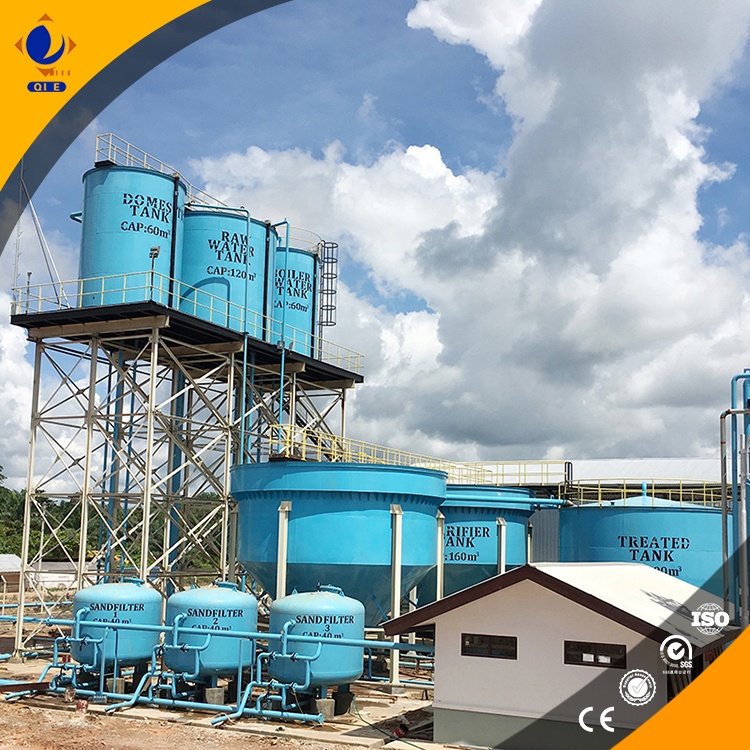
Q: Why is temperature control below 60°C so important in cold - pressing?
A: Controlling the temperature below 60°C helps to preserve the natural flavor and active ingredients of the oil, such as unsaturated fatty acids and vitamin E, ensuring its high nutritional value.
Q: How to choose the right cold - press equipment for a startup?
A: Startups should first determine their production scale and then consider factors like production capacity, energy efficiency, and equipment cost.
If you're an SME eager to produce high - quality cold - pressed sunflower oil, learn about advanced cold - press equipment solutions to gain a competitive edge in the high - end edible oil market.

 375
|
375
|
 Rice Bran Oil Extraction Machinery
Rice Bran Oil Production
Rice Bran Oil Processing Equipment
Rice Bran Oil Refining Machinery
Oil Extraction Machinery for Rice Bran
High Yield Rice Bran Oil Machinery
Rice Bran Oil Production Line
Energy Efficient Rice Bran Oil Extraction
Rice Bran Oil Refining Equipment
Automated Rice Bran Oil Extraction
Rice Bran Oil Extraction Machinery
Rice Bran Oil Production
Rice Bran Oil Processing Equipment
Rice Bran Oil Refining Machinery
Oil Extraction Machinery for Rice Bran
High Yield Rice Bran Oil Machinery
Rice Bran Oil Production Line
Energy Efficient Rice Bran Oil Extraction
Rice Bran Oil Refining Equipment
Automated Rice Bran Oil Extraction
 167
|
sesame oil extraction equipment
sesame oil refining process
six-stage de-oiling technology
solvent recovery system
high-quality sesame oil production
167
|
sesame oil extraction equipment
sesame oil refining process
six-stage de-oiling technology
solvent recovery system
high-quality sesame oil production
 349
|
Supercritical CO₂ sesame oil extraction process
Green oil extraction technology
Supercritical CO₂ extraction equipment
Sesame oil quality improvement
Environment - friendly oil processing
349
|
Supercritical CO₂ sesame oil extraction process
Green oil extraction technology
Supercritical CO₂ extraction equipment
Sesame oil quality improvement
Environment - friendly oil processing
.jpg?x-oss-process=image/resize,h_300,m_lfit/format,webp) 467
|
Sesame Oil Extraction Machinery
Hydraulic Oil Press for Sesame Extraction
Screw Oil Press for Sesame Oil Production
Solvent Extraction Equipment for Sesame Oil
Supercritical CO2 Extraction of Sesame Oil
High-Quality Sesame Oil Processing Equipment
Efficient Sesame Oil Extraction Technology
Modern Sesame Oil Refining Solutions
Cost-Effective Sesame Oil Machinery
467
|
Sesame Oil Extraction Machinery
Hydraulic Oil Press for Sesame Extraction
Screw Oil Press for Sesame Oil Production
Solvent Extraction Equipment for Sesame Oil
Supercritical CO2 Extraction of Sesame Oil
High-Quality Sesame Oil Processing Equipment
Efficient Sesame Oil Extraction Technology
Modern Sesame Oil Refining Solutions
Cost-Effective Sesame Oil Machinery
 349
|
Palm Oil Extraction Machinery
Environmentally friendly oil pressing equipment
Southeast Asian oil processing companies
349
|
Palm Oil Extraction Machinery
Environmentally friendly oil pressing equipment
Southeast Asian oil processing companies