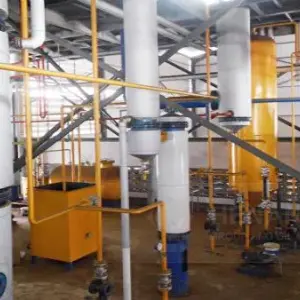
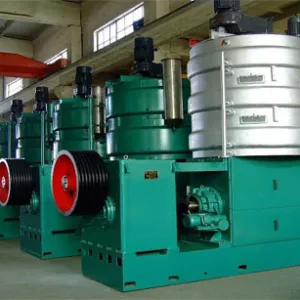
For large-scale edible oil producers, efficiency isn’t just about yield—it’s about reducing energy consumption while maintaining consistent quality and compliance. In this guide, we explore how solvent leaching using hexane can reduce energy usage by up to 25–30% compared to traditional expeller pressing methods in sesame seed oil production—without compromising on output or safety.
Key Insight: Properly optimized solvent extraction systems not only lower operational costs but also improve throughput, reduce labor needs, and enhance product consistency—critical for global B2B buyers seeking reliable partners.
Hexane-based solvent extraction is widely used in industrial-scale oilseed processing due to its high efficiency in extracting residual oil from crushed seeds. Unlike mechanical pressing—which typically leaves behind 6–10% oil—the solvent method achieves a final residue of less than 1%. This means more oil per ton of raw material, directly improving ROI.
Data from real-world applications show that sesame seeds with an average oil content of 45–52% (based on moisture-adjusted analysis) perform best when ground to a particle size of 0.8–1.2 mm. Smaller particles increase surface area for solvent contact, boosting extraction efficiency by up to 15%. However, overly fine grinding increases viscosity, which can slow down flow rates and raise pumping energy use—a trade-off worth optimizing.
Modern counter-current continuous extractors feature multiple stages with controlled solvent-to-seed ratios and precise temperature regulation. A well-designed system maintains a solvent recovery rate above 98%, minimizing waste and environmental impact. For example, one Chinese OEM reported a 22% drop in hexane consumption after upgrading their extractor design with better internal baffles and improved heat exchange units.
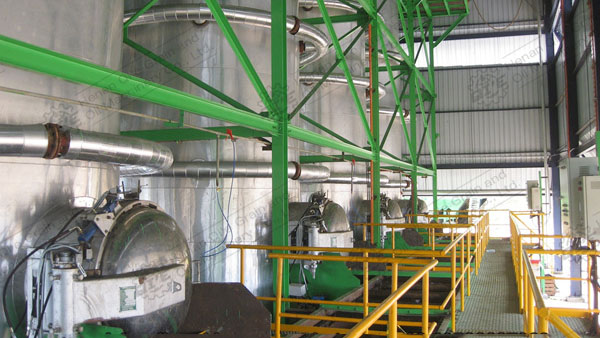
The drying and desolventizing stage accounts for approximately 40% of total energy use in solvent extraction. Advanced multi-stage flash drying systems now reduce steam consumption by 18–25% through efficient heat reuse and vapor condensation. Additionally, integrated gas detection and explosion-proof ventilation ensure compliance with OSHA and ATEX standards—an essential selling point for international clients.
A major Malaysian oil mill implemented a full-scale solvent extraction line in 2023. Within six months, they achieved:
Pro Tip: When evaluating suppliers, ask for third-party validation of energy efficiency claims—not all “low-energy” equipment delivers actual savings. Look for ISO-certified performance data and reference plants in similar climates.
As global food processors face rising pressure to cut emissions and improve margins, solvent leaching offers a proven path forward—not just for sesame oil, but for sunflower, rapeseed, and soybean operations too. With smarter equipment, better process control, and cleaner de-solventizing tech, your plant can stay competitive in both price and sustainability.
Explore our latest solvent extraction systems designed for high-efficiency, low-energy operation—engineered for global compliance and long-term reliability.
See Equipment Specifications →




.jpg?x-oss-process=image/resize,m_fill,h_300,w_300/format,webp)