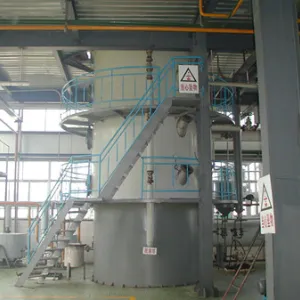
The solvent extraction method, particularly using n-hexane, stands as a cornerstone in industrial-scale sunflower seed oil production, prized for its ability to maximize oil yield and operational efficiency. This technology delves into the molecular mechanisms of hexane extraction, thoughtful equipment architecture, and stringent desolventizing protocols—all contributing to a cost-effective and sustainable production cycle.
Hexane solvent penetrates the porous sunflower seed material dissolving the lipids efficiently while preserving oil integrity. The mass transfer kinetics depends heavily on factors such as seed moisture content, particle size distribution, and extraction duration. Optimal parameters typically report an oil recovery rate exceeding 98%, a significant improvement compared to mechanical cold-press methods averaging below 75%.
The extraction circuit generally comprises seed preparation, solvent mixing, percolation, desolventizing, and refining stages. Each step demands precise engineering to maintain solvent retention below 500 ppm in the final oil product, complying with international food safety standards.
| Parameter | Optimal Range | Impact on Extraction |
|---|---|---|
| Seed Moisture Content | 8 - 10% | Balances solvent effectiveness & prevents clogging |
| Particle Size | 0.3 - 0.8 mm | Enhances solvent penetration and extraction rate |
| Extraction Temperature | 55 - 65°C | Optimizes oil solubility and solvent vapor pressure |
Experimental data indicates that seed batches with oil contents above 42% and well-controlled particle size distribution consistently achieve oil yields between 96% and 99%, whereas inferior raw materials lead to substantial yield losses, exceeding 5%. Maintaining uniform seed grading, drying, and milling processes is fundamental to sustaining extraction performance and downstream processing efficiency.
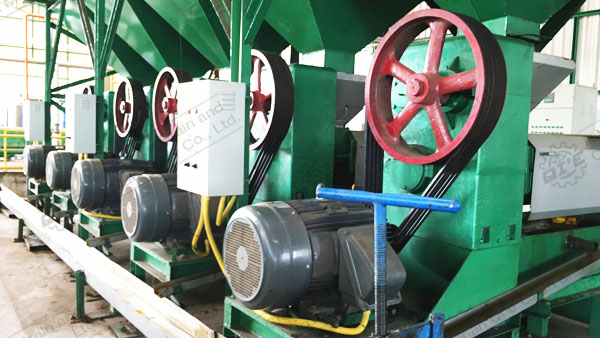
State-of-the-art solvent extraction plants incorporate automated controls managing solvent circulation, temperature regulation, and desolventizing time precisely. Case studies from leading grain processing companies demonstrate energy consumption reductions of up to 18% and labor costs trimmed by over 25% due to integrated automation solutions.
Key equipment such as extractor vats, desolventizers, and solvent recovery units are engineered for modular scalability, striking an optimal balance between throughput and maintenance accessibility, thereby minimizing downtime and maximizing return on investment.
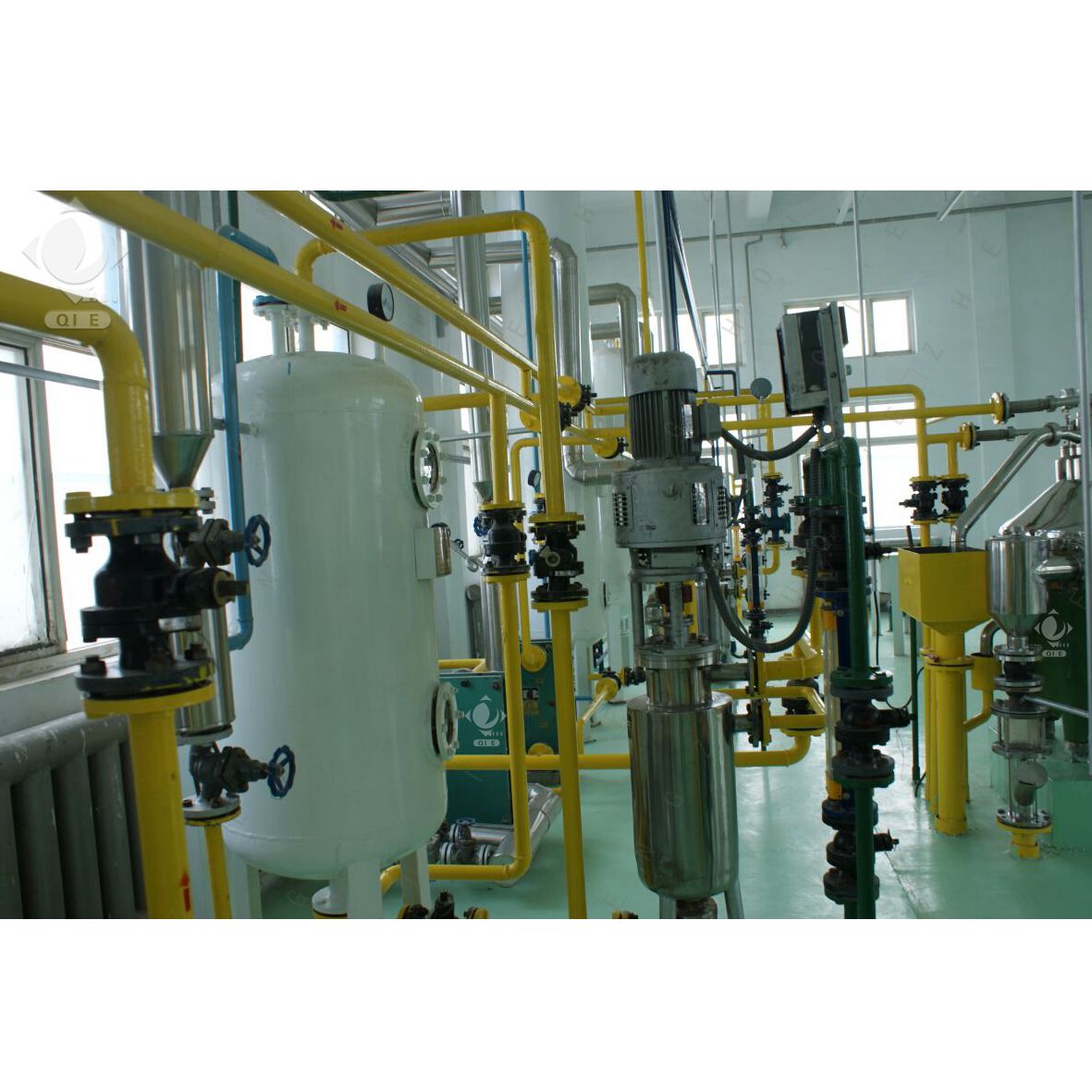
Compliance with international food safety and environmental standards mandates rigorous control of solvent residues and emissions. Safety protocols include explosion-proof equipment design, hermetic sealing, and continuous solvent vapor monitoring, effectively mitigating occupational hazards.
Additionally, modern solvent extraction facilities integrate advanced wastewater and air treatment systems, ensuring the operations meet or exceed environmental legislation such as the EU’s Industrial Emissions Directive (IED).
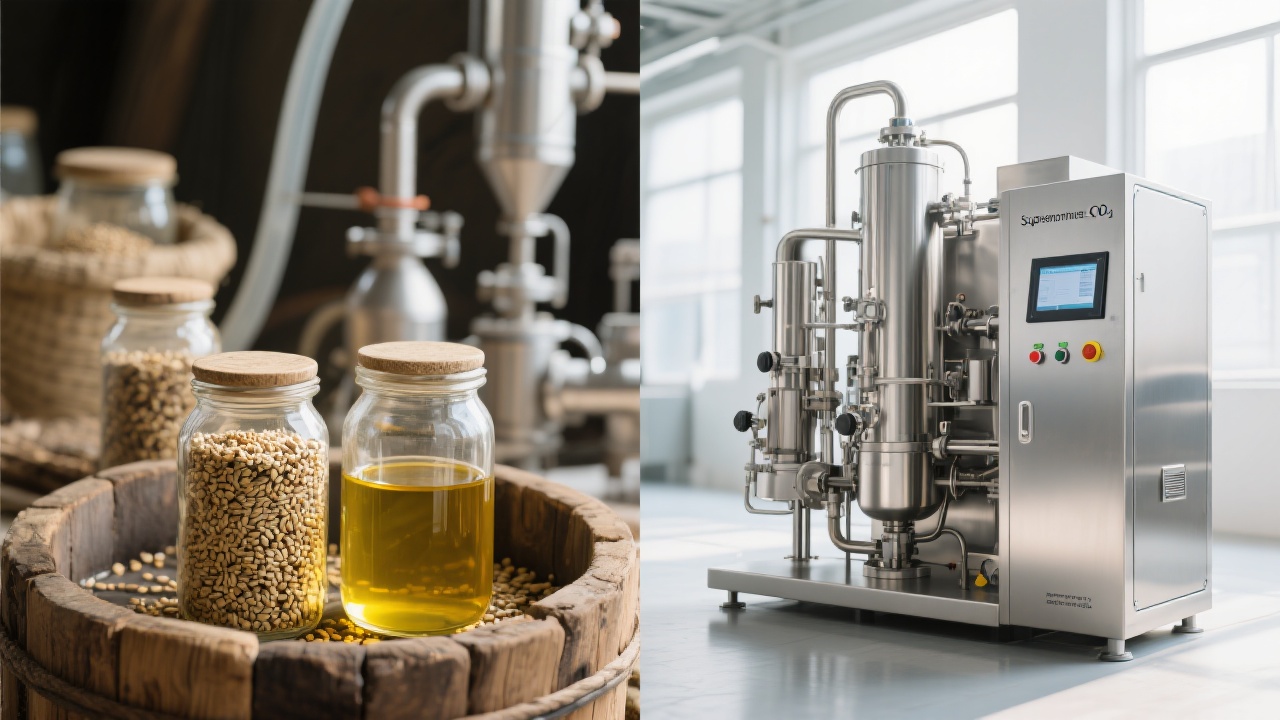
“A 2023 industrial pilot study confirmed that optimizing seed granularity combined with real-time temperature control in solvent extraction can reduce hexane consumption by 10% and increase oil purity by 1.3%. These metrics underline critical design improvements in modern sunflower seed oil processors.” – Food Processing Journal
Sunflower seed oil producers striving for cutting-edge operational excellence should consider solutions that maximize yield while reinforcing safety and sustainability protocols.