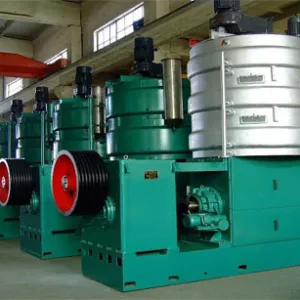
Are you struggling with low oil yield, nutrient loss, or poor flavor during the sunflower oil pressing process? You've come to the right place. In this article, we'll guide you through the selection and practical application of sunflower oil pressing equipment, helping you enhance product quality and gain a competitive edge in the market.
Sunflower oil pressing equipment mainly operates based on physical or chemical principles. Physical pressing, which we'll focus on, has significant advantages. It can retain more natural nutrients in sunflower oil, such as vitamin E and unsaturated fatty acids. There are various types of physical pressing equipment, including screw presses and hydraulic presses.
The quality of sunflower oil is greatly influenced by several key parameters during the pressing process:
The pressure range typically lies between 20 - 50 MPa. Higher pressure can increase the oil yield, but excessive pressure may lead to the loss of some nutrients. For example, when the pressure exceeds 50 MPa, the loss rate of vitamin E can reach up to 15%.
Controlling the temperature is crucial. The optimal temperature range for physical pressing is 40 - 60°C. At this temperature, the oil can be efficiently extracted while minimizing the loss of nutrients. If the temperature is too high, the loss rate of unsaturated fatty acids can be as high as 20%.
The moisture content of sunflower seeds should be controlled at about 8 - 12%. Too much moisture can reduce the oil yield, while too little moisture may damage the oil cells and affect the quality of the oil.
| Parameter | Optimal Range | Effect of Deviation |
|---|---|---|
| Pressure | 20 - 50 MPa | Excessive pressure may cause up to 15% loss of vitamin E |
| Temperature | 40 - 60°C | High temperature may lead to up to 20% loss of unsaturated fatty acids |
| Moisture Content | 8 - 12% | Too much or too little moisture affects oil yield and quality |
Let's compare cold pressing, hot pressing, and solvent extraction methods in terms of nutrient retention:
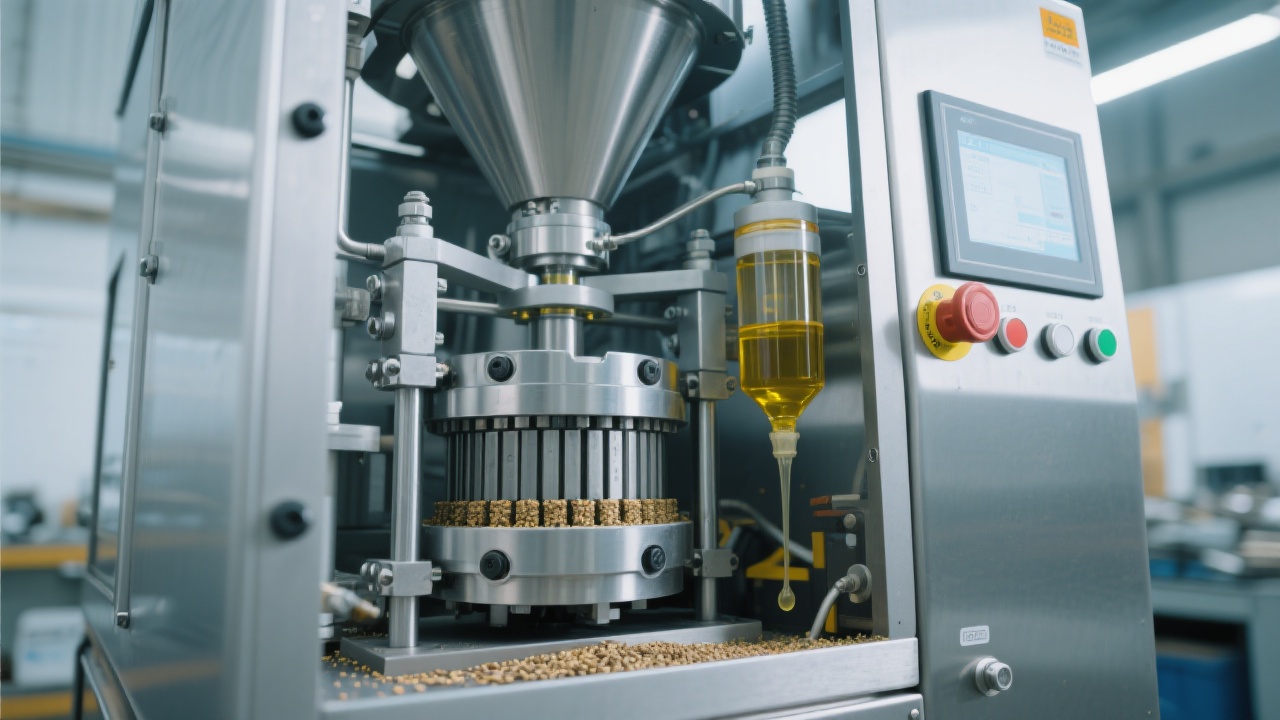
During the pressing process, you may encounter some common problems:
This may be due to improper pressure or temperature settings, or the moisture content of the materials is not well - controlled. You can adjust the pressure and temperature according to the above - mentioned optimal ranges and ensure the moisture content of sunflower seeds is within 8 - 12%.
Low oil yield can be caused by various factors, such as old - fashioned equipment or incorrect operation. Upgrading your equipment and following the correct operating procedures can effectively improve the oil yield.
We've gathered some real - life cases and expert advice to help you better understand and apply the knowledge. For example, a small - to - medium - sized sunflower oil processing factory improved its product quality and market competitiveness by adjusting the pressing parameters according to the physical pressing method. The factory increased its oil yield by 10% and reduced the vitamin E loss rate to less than 8%.

Here are some practical operation tips:
With our sunflower oil pressing equipment, you can make every drop of oil trustworthy and safeguard healthy eating from the source. We are committed to helping you produce high - quality sunflower oil.
Do you have any questions about sunflower oil pressing equipment or the pressing process? Leave your questions in the comments below, and we'll be happy to answer them!