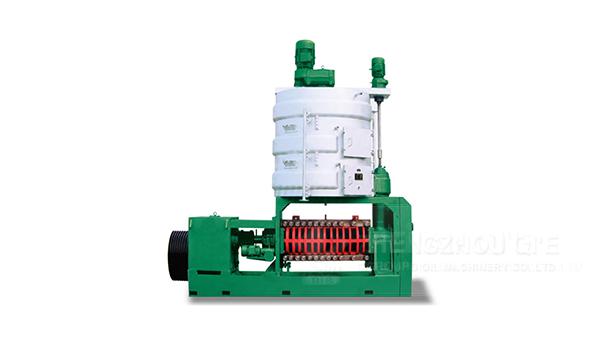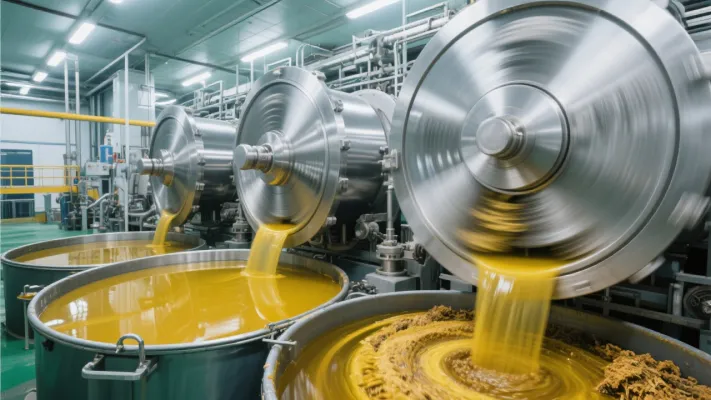
In today’s health-conscious global market, edible oil producers are under increasing pressure to deliver both high efficiency and superior quality. For sunflower oil manufacturers—especially those operating small-to-mid scale facilities—the choice of extraction method can make or break profitability and brand trust. This article dives into the science behind physical pressing, revealing how precise control over pressure, temperature, and pre-treatment transforms raw seeds into premium-grade oil rich in vitamin E and unsaturated fats.
Unlike solvent-based methods that use hexane (a chemical often criticized for residue concerns), physical pressing relies solely on mechanical force. According to a 2022 study by the International Journal of Food Engineering, physical pressing retains up to 92% of natural tocopherols (vitamin E) compared to only 65–70% with traditional solvent extraction. That’s not just a number—it means your customers get more antioxidant protection per serving, which is critical for B2B buyers targeting premium foodservice clients or private label brands.
| Method | Avg. Yield (%) | Vitamin E Retention (%) | Energy Cost (USD/kg) |
|---|---|---|---|
| Physical Pressing | 38–42% | 90–95% | $0.85–$1.10 |
| Solvent Extraction | 45–50% | 65–70% | $0.60–$0.80 |
| Cold Pressing | 30–35% | 95–98% | $1.50–$2.00 |
Engineers at leading oil plants report that maintaining consistent pressure between 40–60 MPa during pressing significantly boosts yield without compromising flavor or oxidative stability. Meanwhile, keeping temperatures below 60°C ensures essential fatty acids like linoleic acid remain intact—a key selling point for European and Middle Eastern buyers who prioritize functional nutrition.
Pre-treatment matters too: Properly dried (moisture content < 6%) and conditioned (tempering time: 2–4 hours) seeds reduce fiber resistance and increase oil flow. One Indian processor saw a 12% rise in daily output after implementing automated seed conditioning systems—an investment that paid off within 6 months.
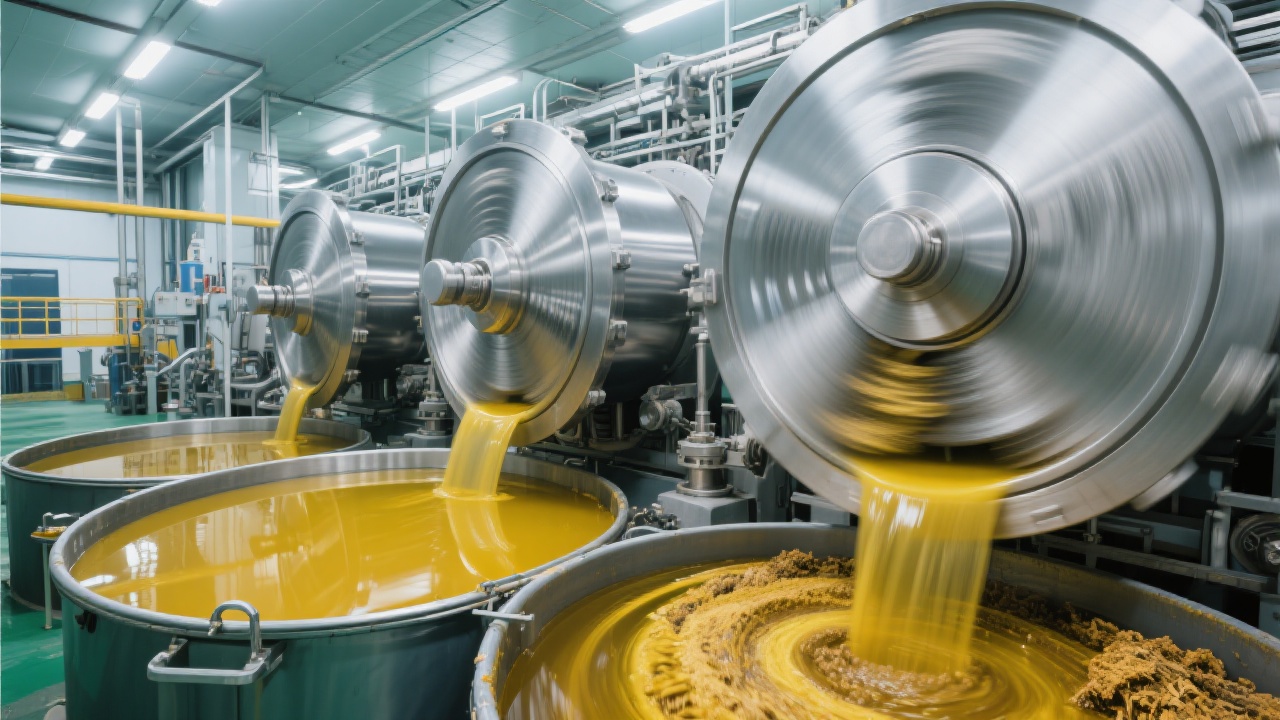
Many small-scale producers struggle with inconsistent yields due to poor seed preparation or overheating. Our field-tested tips include:
These adjustments aren’t just theoretical—they’ve helped companies in Turkey, Egypt, and Vietnam improve their oil clarity, shelf life, and customer satisfaction scores by over 25% in pilot runs.
Whether you're a factory owner looking to boost margins or a procurement manager evaluating suppliers, understanding these technical nuances gives you an edge in competitive B2B negotiations.
Download Our Free Technical Guide: "Mastering Sunflower Oil Pressing for Higher Yield & Better Nutrition"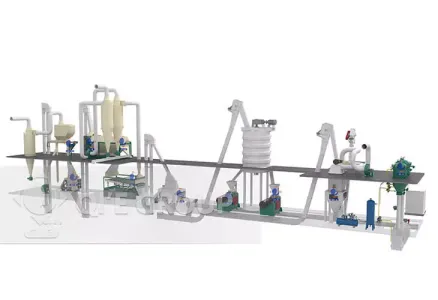
 71
|
71
|
 oilseed pre-treatment equipment
efficient vegetable oil production solutions
versatile oilseed processing production line
oilseed pre-treatment equipment
efficient vegetable oil production solutions
versatile oilseed processing production line
 316
|
Peanut oil extraction machinery
Oil Pressing Machinery
South American Market
316
|
Peanut oil extraction machinery
Oil Pressing Machinery
South American Market
 64
|
sunflower seed oil pressing process
low oil yield in oil press
high residue oil in cake
physical oil extraction techniques
nutrient retention in cold pressed oil
64
|
sunflower seed oil pressing process
low oil yield in oil press
high residue oil in cake
physical oil extraction techniques
nutrient retention in cold pressed oil
 244
|
multifunctional peanut oil refining equipment
food safety standards equipment
high-efficiency oil refining
244
|
multifunctional peanut oil refining equipment
food safety standards equipment
high-efficiency oil refining
 151
|
palm oil refining equipment
energy-efficient palm oil extraction
automated PLC control system
151
|
palm oil refining equipment
energy-efficient palm oil extraction
automated PLC control system