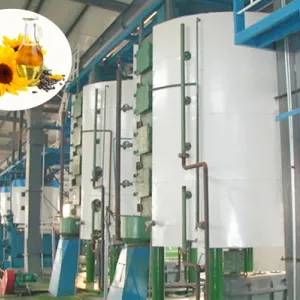
For food processing manufacturers aiming to boost yield while minimizing energy use, understanding the nuances of solvent extraction is no longer optional—it’s essential. This guide dives into how two critical parameters—raw material oil content and particle size distribution—directly influence the efficiency of sunflower seed oil extraction using hexane.
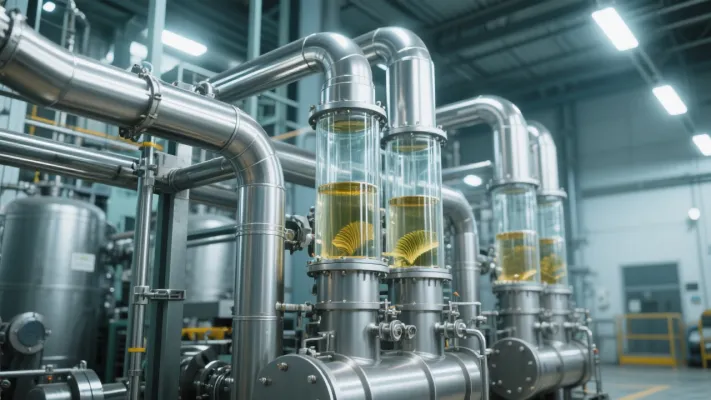
Solvent extraction remains the industry standard for high-throughput oil production due to its ability to recover up to 98% of available oil from seeds. In a typical setup, crushed sunflower seeds are contacted with hexane in a countercurrent flow system. The key lies in optimizing contact time, temperature (usually 50–60°C), and solvent-to-solid ratio—which can vary from 2:1 to 4:1 depending on feedstock quality.
| Parameter | Optimal Range | Impact on Yield |
|---|---|---|
| Seed Oil Content (%) | 35–42% | +15–20% yield vs. low-oil seeds |
| Particle Size (mm) | 0.5–1.2 mm | Maximized surface area → faster diffusion |
| Extraction Time (hrs) | 4–6 hrs | Beyond 6 hrs yields diminishing returns |
Real-world data from a leading Chinese oil mill shows that increasing particle uniformity from 0.3–2.0 mm to 0.6–1.0 mm improved extraction efficiency by 12%, reduced solvent consumption by 7%, and cut processing time by nearly 1 hour per batch—all without changing equipment or operating conditions.
Many processors overlook raw material variability—especially when sourcing from multiple suppliers. A study published in the Journal of Food Engineering found that seeds with less than 30% oil content require 25% more solvent and 30% longer extraction times to achieve the same output as premium-grade seeds. That’s not just inefficiency—it’s lost profit.
Similarly, improper grinding leads to uneven wetting and poor solvent penetration. Too fine a grind increases dusting risks; too coarse results in incomplete extraction. The sweet spot? Consistent particle size between 0.7 and 1.0 mm—a range validated across over 30 industrial trials worldwide.
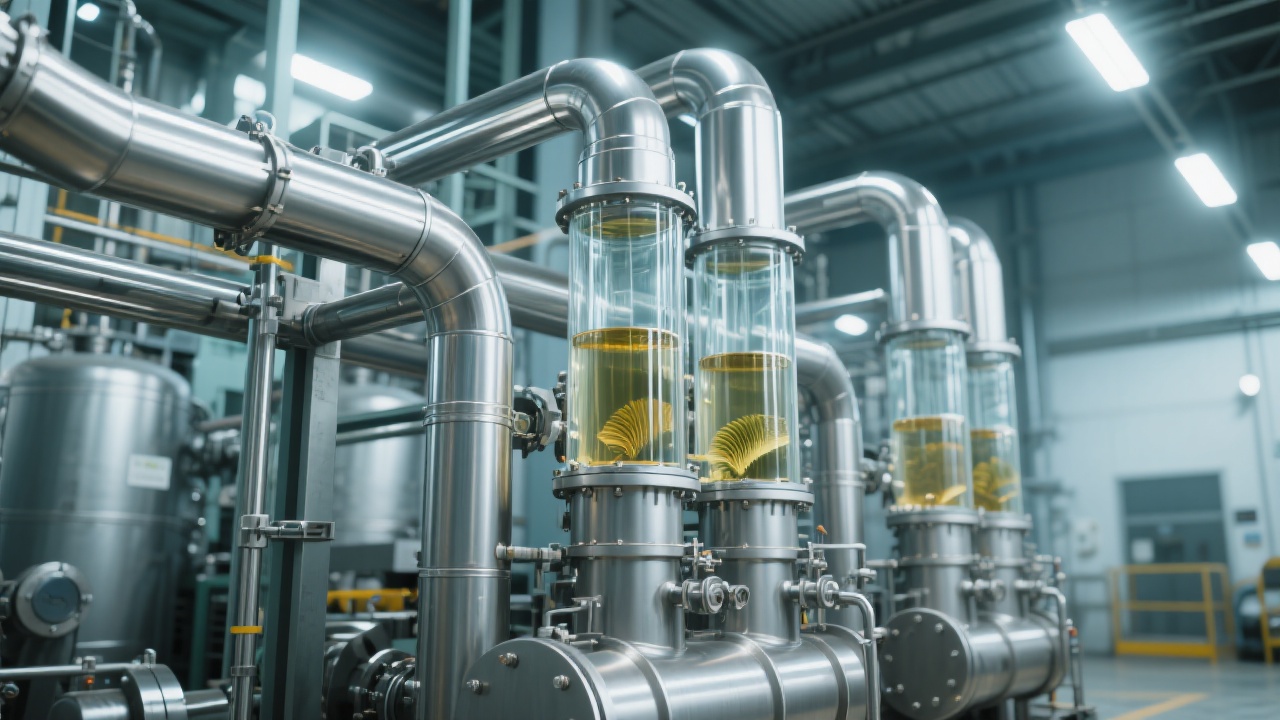
Hexane is flammable but manageable—with proper ventilation, gas detection systems, and closed-loop recovery units, even small-scale operations can meet global safety standards (like OSHA and ISO 45001). One Malaysian refinery reported a 40% reduction in hexane emissions after installing vapor condensers—an investment that paid off within 14 months through lower disposal costs and regulatory compliance.
These improvements aren’t just about compliance—they’re about building trust with buyers who increasingly demand transparency in sourcing, sustainability, and process integrity.
Whether you're scaling up production or optimizing existing lines, our engineered sunflower seed oil extraction machinery delivers consistent performance, energy savings, and compliance-ready design. Let us help you turn raw materials into premium value.
Explore Our Industrial Extraction Solutions →




.jpg?x-oss-process=image/resize,m_fill,h_300,w_300/format,webp)