
As consumer demand for high-quality, nutrient-rich walnut oil surges globally, traditional extraction methods such as cold pressing and solvent extraction increasingly face challenges in balancing yield, purity, and nutritional preservation. Supercritical CO2 (SC-CO2) extraction emerges as a cutting-edge solution, offering a sustainable and efficient alternative that ensures low-temperature preservation of bioactive compounds. This article delves into the scientific principles, operational parameters, and comparative benefits of SC-CO2 extraction technology, tailored for high-end walnut oil manufacturers and green process advocates.
Supercritical CO2 extraction exploits carbon dioxide's unique phase beyond its critical point (31.1°C, 7.38 MPa), where it exhibits both gas-like diffusivity and liquid-like solvating power. This dual nature allows efficient penetration into walnut kernels and selective dissolution of oil constituents without the use of chemical solvents. Notably, the process operates under relatively low temperatures compared to traditional methods, typically ranging between 35°C and 50°C, safeguarding thermolabile nutrients.
The tunable properties of CO2 under variable pressure and temperature make it possible to optimize solubility of specific compounds, maximizing extraction yield and purity. According to industry data, SC-CO2 can recover oil with up to 98% purity, minimizing residuals that often compromise shelf life and flavor.
Walnut oil is prized for its rich content of vitamin E, phospholipids, and polyunsaturated fatty acids, which are sensitive to heat and oxidation. Traditional pressing can generate temperatures upward of 60°C, while solvent extraction may introduce contaminants, leading to nutrient degradation.
SC-CO2 extraction's low thermal footprint maintains the molecular integrity of these bioactive substances. Controlled studies show that vitamin E retention rates in SC-CO2 extracted walnut oil exceed 90%, compared to approximately 75% in cold-pressed oil and less than 50% in solvent-extracted samples. This enhanced nutrient profile translates to superior antioxidant activity and longer product shelf life.
Key process variables include extraction pressure (typically 20–35 MPa), temperature (35–50°C), and CO2 flow rate (15–25 kg/hr). Fine-tuning these parameters is crucial to balancing extraction rate and oil quality. For instance, increasing pressure elevates oil solubility but may also co-extract unwanted waxes; hence, multi-stage extraction is often employed to selectively isolate fractions.
Real-world pilot projects demonstrate extraction yields ranging from 45% to 55% of walnut kernel oil content, outperforming mechanical pressing yields of approximately 40%. Additionally, the absence of solvent residues significantly reduces post-processing purification requirements, enhancing overall operational efficiency.
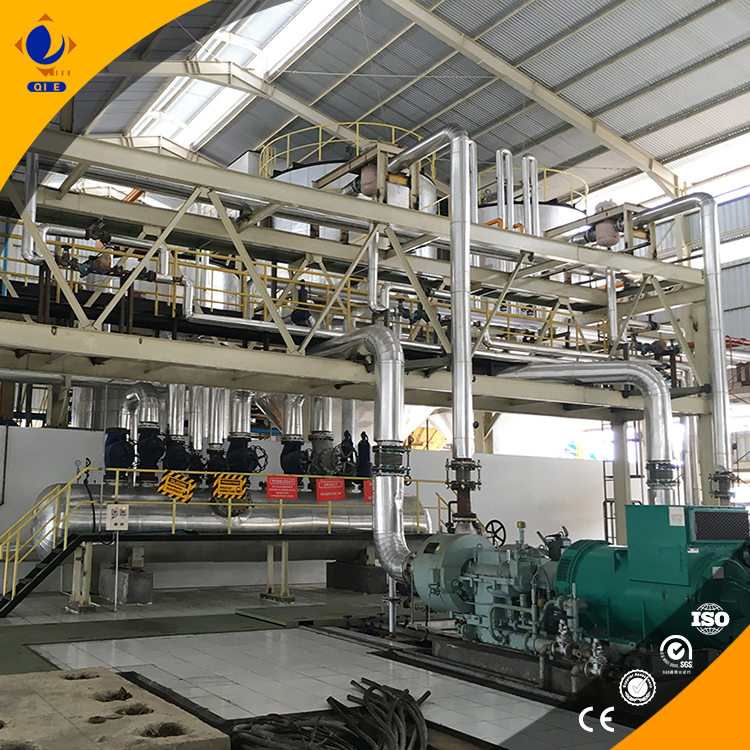
A direct comparison highlights SC-CO2 extraction's advantages in environmental sustainability, product safety, and value addition:
SC-CO2 technology is particularly advantageous for R&D centers and boutique producers focusing on small-batch, high-value walnut oil. Laboratory scale units facilitate process development and nutrient profiling, while modular pilot plants enable scale-up without compromising product consistency.
Early adopters report enhanced extraction consistency and reduced volatilization losses during storage, boosting both customer satisfaction and operational profitability. The versatility of SC-CO2 extraction also allows for fractionation, unlocking new product lines such as enriched vitamin E walnut oil.
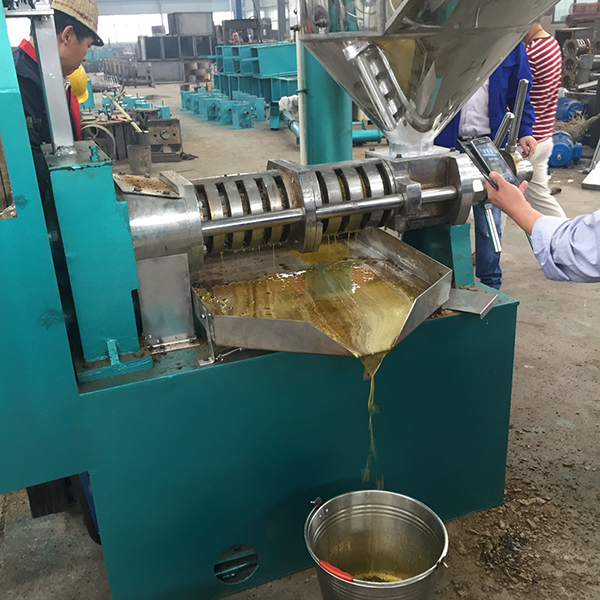
Industry research is steadily transitioning SC-CO2 extraction from laboratory curiosity to mainstream manufacturing. Innovations in process automation and CO2 recycling are driving down operational costs, making this technology commercially viable for larger-scale walnut oil production.
With growing consumer preference for natural, additive-free oils, SC-CO2 extracted walnut oil is positioned at the forefront of functional food evolution. Its ability to preserve bioactive profiles supports health claims, providing competitive advantages in premium global markets.

 97
|
97
|
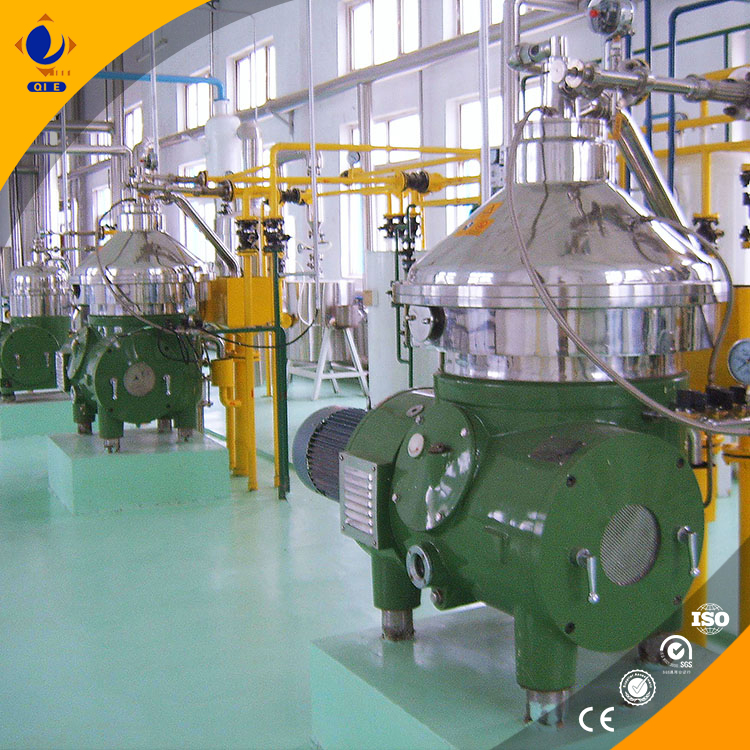
 Palm kernel oil centrifuge
Decanter centrifuge
Disc centrifuge
Oil purification technology
Palm oil processing equipment
Palm kernel oil centrifuge
Decanter centrifuge
Disc centrifuge
Oil purification technology
Palm oil processing equipment
 492
|
cold pressed sunflower oil production
low temperature oil extraction
premium edible oil processing
sunflower oil cold pressing technology
cold press oil nutrition retention
492
|
cold pressed sunflower oil production
low temperature oil extraction
premium edible oil processing
sunflower oil cold pressing technology
cold press oil nutrition retention
 407
|
palm kernel oil purification
centrifugal separation optimization
oil refining parameters
emulsion prevention in oil processing
industrial centrifuge settings
217
|
crusher selection
palm kernel crushing particle size
equipment maintenance skills
fault prevention
energy consumption optimization
432
|
palm kernel crusher troubleshooting
crusher maintenance for oil extraction
palm kernel particle size optimization
hammer crusher vs roller crusher
oilseed processing equipment
407
|
palm kernel oil purification
centrifugal separation optimization
oil refining parameters
emulsion prevention in oil processing
industrial centrifuge settings
217
|
crusher selection
palm kernel crushing particle size
equipment maintenance skills
fault prevention
energy consumption optimization
432
|
palm kernel crusher troubleshooting
crusher maintenance for oil extraction
palm kernel particle size optimization
hammer crusher vs roller crusher
oilseed processing equipment








.jpg?x-oss-process=image/resize,m_fill,h_300,w_300/format,webp)
