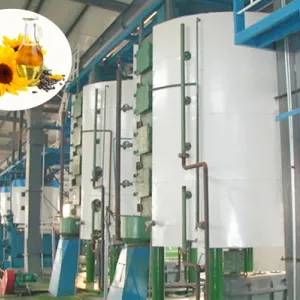
In the realm of sesame oil processing, the choice between supercritical CO₂ extraction and traditional solvent extraction methods is a crucial decision that impacts not only the quality of the final product but also the environmental footprint and cost - effectiveness of the production process. This article delves into a comprehensive comparison of these two extraction techniques, providing valuable insights for industry players.
Supercritical CO₂ extraction operates on the principle that CO₂, under specific temperature and pressure conditions, reaches a supercritical state where it exhibits properties of both a liquid and a gas. This unique state allows CO₂ to penetrate the sesame seeds effectively and dissolve the oil. The process involves several steps: first, CO₂ is compressed and heated to the supercritical state. Then, it is passed through the sesame seeds in an extraction vessel. The dissolved oil - CO₂ mixture is then transferred to a separation vessel, where changes in pressure cause the CO₂ to revert to its gaseous state, leaving behind the extracted sesame oil. This process is renowned for its lack of solvent residue and its eco - friendly nature. According to industry research, the use of supercritical CO₂ extraction can reduce solvent - related environmental pollution by up to 80% compared to traditional solvent extraction methods.

One of the most significant advantages of supercritical CO₂ extraction in sesame oil processing is its ability to preserve the natural flavor and nutritional components of the oil. Traditional solvent extraction methods often involve high - temperature processes that can degrade the delicate flavor compounds and nutritional elements such as vitamins and antioxidants in sesame oil. In contrast, supercritical CO₂ extraction operates at relatively low temperatures, which helps to retain up to 95% of the natural flavor and nutritional value of the sesame oil. This results in a high - quality product that appeals to health - conscious consumers and those who appreciate the authentic taste of sesame oil.
When comparing supercritical CO₂ extraction with traditional solvent extraction, several key metrics come into play, including oil yield, oil quality, environmental impact, and cost structure. In terms of oil yield, supercritical CO₂ extraction generally achieves an oil yield of around 85 - 90%, which is comparable to or slightly higher than that of traditional solvent extraction methods. However, in terms of oil quality, supercritical CO₂ - extracted oil has a lower acid value and peroxide value, indicating better stability and freshness.
| Metrics | Supercritical CO₂ Extraction | Traditional Solvent Extraction |
|---|---|---|
| Oil Yield | 85 - 90% | 80 - 85% |
| Acid Value | ≤ 0.5 mg KOH/g | 0.8 - 1.2 mg KOH/g |
| Peroxide Value | ≤ 5 meq/kg | 8 - 12 meq/kg |
| Environmental Impact | Low (up to 80% reduction in pollution) | High |
| Cost Structure | Higher initial investment, lower long - term cost | Lower initial investment, higher long - term cost (due to solvent purchase and waste treatment) |
In the current market, there is a growing demand for natural, healthy, and environmentally friendly food products. Supercritical CO₂ extraction technology aligns perfectly with this trend. It has the potential to revolutionize the sesame oil industry by enabling producers to meet the increasing consumer expectations for high - quality, sustainable products. Moreover, with the global emphasis on environmental protection and sustainable development, the use of supercritical CO₂ extraction can help sesame oil producers reduce their carbon footprint and comply with strict environmental regulations.
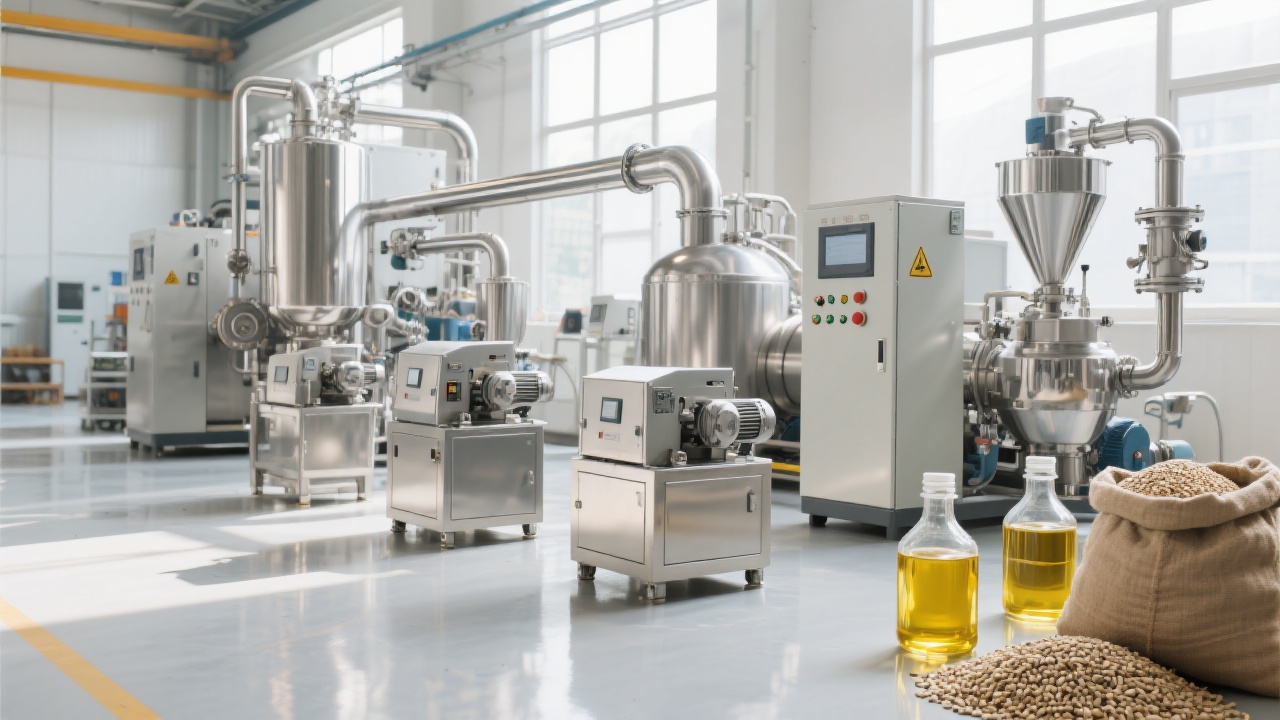
Some industry players may have concerns about the high initial investment required for supercritical CO₂ extraction equipment. However, it is important to note that although the upfront cost is relatively high, the long - term benefits in terms of reduced solvent costs, lower environmental impact, and higher - quality products can far outweigh the initial investment. Additionally, as the technology matures and economies of scale are achieved, the cost of supercritical CO₂ extraction is expected to decrease.
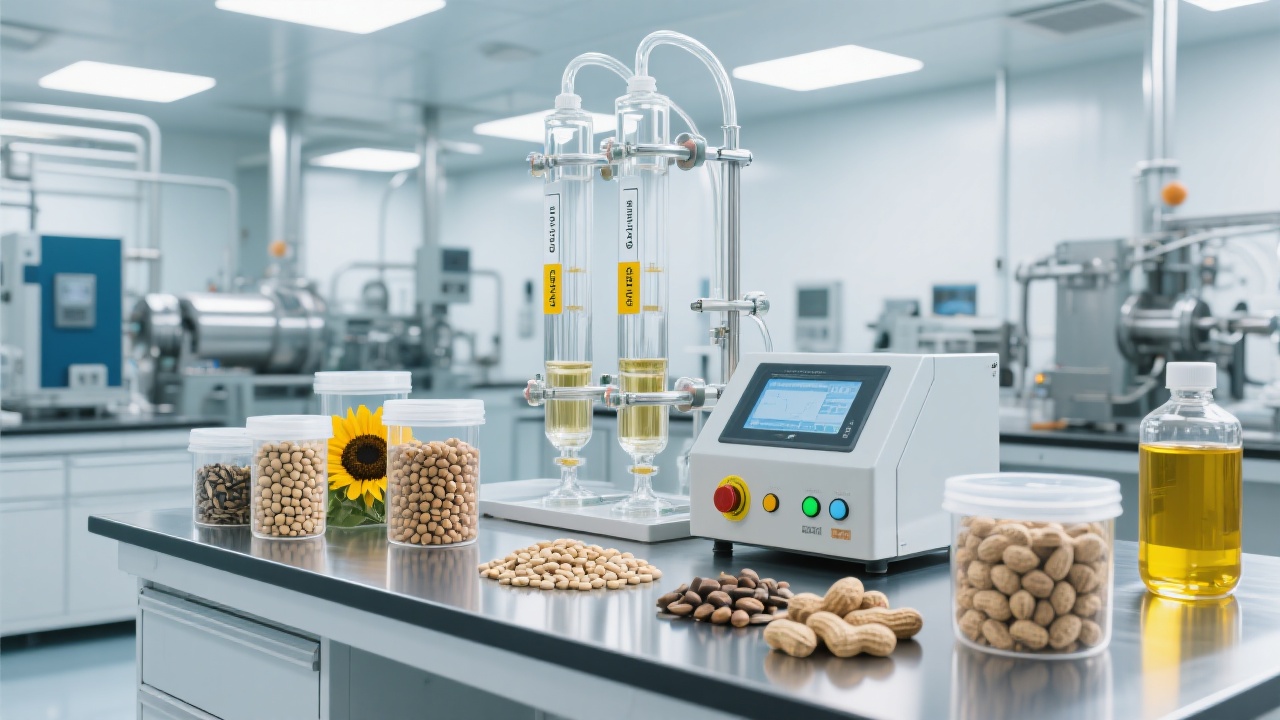
If you are interested in learning more about the details of supercritical CO₂ extraction technology and how it can transform your sesame oil production, click here to access our in - depth technical whitepapers.