In the competitive edible oil processing industry, mastering advanced walnut oil extraction technology is crucial for producers aiming to balance quality, yield, and operational efficiency. This comprehensive guide explores the complete walnut oil production process, from raw material preparation to equipment selection, providing technical insights supported by industry data and practical applications.
Global demand for premium walnut oil has increased by approximately 12% annually over the past five years, driven by its recognized health benefits and versatile applications in culinary and cosmetic industries. According to industry reports, cold-pressed walnut oil commands a 35-40% price premium over conventional vegetable oils, making efficient extraction processes economically critical for manufacturers.
"Modern walnut oil production requires a strategic combination of traditional pressing techniques and advanced extraction technologies to maximize both yield and nutritional value while meeting stringent quality standards." — International Edible Oil Processing Association, 2023
Optimal walnut oil production begins with careful raw material selection. High-quality核桃仁 with moisture content between 6-8% yields the best results. The preprocessing sequence includes:
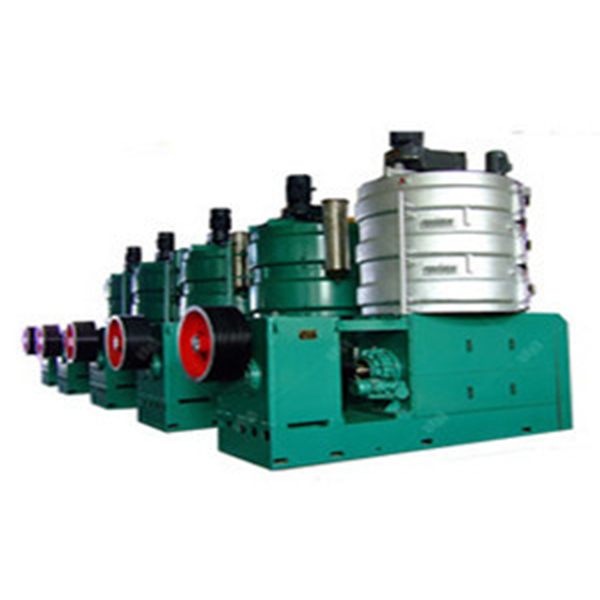
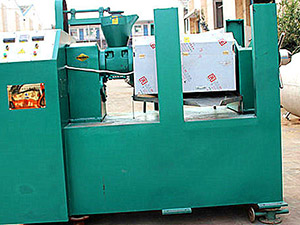
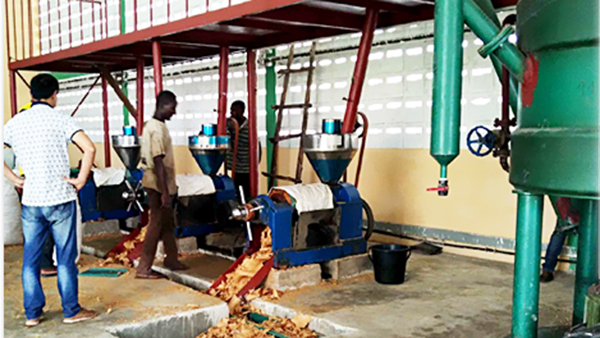
Mechanical pressing remains the most widely used method for walnut oil extraction, offering excellent balance between cost, quality, and throughput. Two primary technologies dominate the industry:
Continuous operation with processing capacities from 500kg to 5,000kg per hour. Modern screw presses achieve 42-45% oil yield from high-quality walnuts, with operating temperatures ranging from 45-65°C for semi-refined applications.
Batch operation ideal for premium cold-pressed oil production. Hydraulic presses typically yield 38-42% oil content but maintain lower temperatures (below 40°C), preserving delicate fatty acids and natural antioxidants.
For specialized applications and higher yields, advanced extraction technologies offer alternatives to mechanical pressing:
Solvent extraction methods can achieve up to 98% oil recovery but require extensive refining and pose environmental considerations. Supercritical CO₂ extraction, while capital-intensive, produces exceptional quality oil with minimal processing, retaining up to 95% of natural tocopherols and polyunsaturated fatty acids.
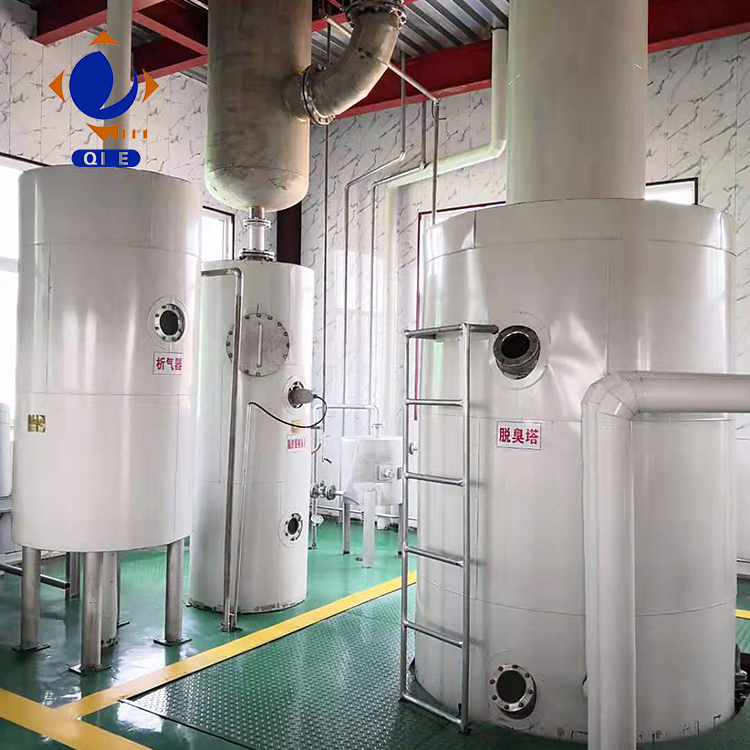
The journey from crude extract to finished walnut oil requires several critical processing steps:
Selecting the right equipment configuration depends on production scale, quality requirements, and budget considerations. Penguin Group offers comprehensive solutions for walnut oil processors, from small-batch cold press systems to large-scale integrated production lines.
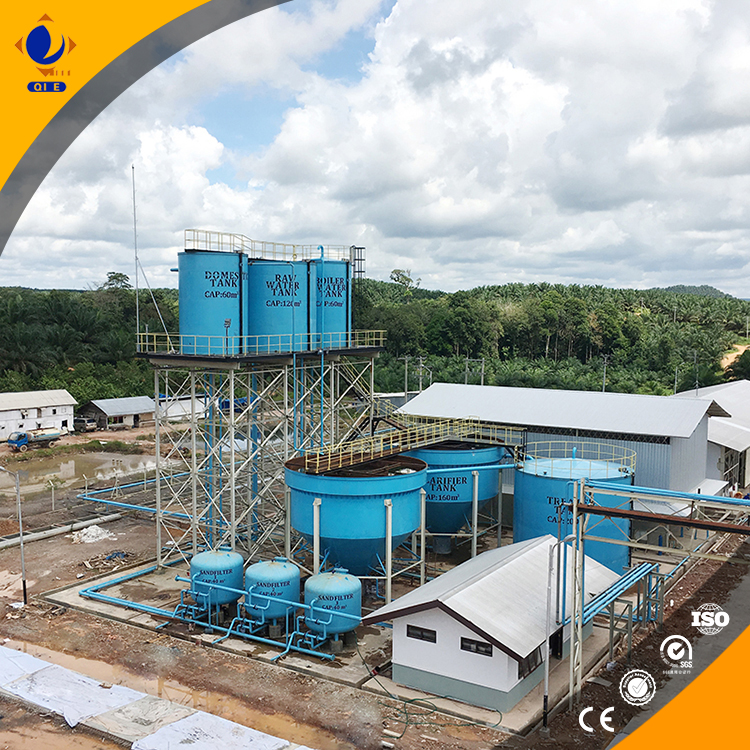
Key factors in equipment selection include energy efficiency (targeting below 0.5 kWh per kg of oil), maintenance requirements, and scalability. Modern systems incorporate automation features that reduce labor costs by 30-40% while improving process consistency.
Discover how Penguin Group's specialized walnut oil extraction equipment can increase your yield by 15-20% while maintaining premium quality standards.
Explore Custom Walnut Oil Processing SolutionsAs consumer demand for high-quality, naturally extracted oils continues to rise, investing in advanced walnut oil processing technology becomes not just a competitive advantage but a necessity for long-term business sustainability. The right combination of traditional craftsmanship and modern engineering can transform your production capabilities and market positioning.









.jpg?x-oss-process=image/resize,m_fill,h_300,w_300/format,webp)


.jpg?x-oss-process=image/resize,m_fill,h_300,w_300/format,webp)