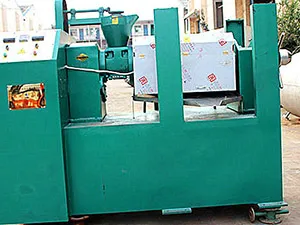
The walnut oil industry is witnessing a transformative shift powered by refined extraction techniques and optimized production equipment. For producers aiming to elevate oil quality and maximize output, understanding the entire extraction workflow—from raw material preparation to advanced separation technologies—is essential.
Selecting and properly preparing walnuts lay the groundwork for superior oil extraction. High-quality walnuts with low moisture and minimal defects ensure greater oil yield and reduce the risk of off-flavors. Key pre-treatment steps include:
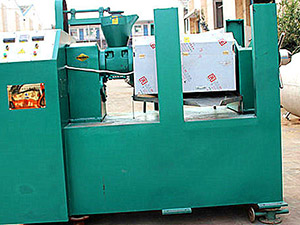
The extraction stage relies heavily on pressing equipment tailored to production scale and desired oil characteristics:
| Equipment | Working Principle | Advantages | Typical Use Cases |
|---|---|---|---|
| Screw (Expeller) Press | Mechanical extrusion via continuous screw action | High throughput; continuous operation; suitable for small to mid-scale production | Artisanal & commercial orchards, local mills |
| Hydraulic Press | Application of high pressure through hydraulic cylinders | Gentle pressing reduces heat; higher oil quality; better for niche premium oils | Specialty and high-grade walnut oil production |
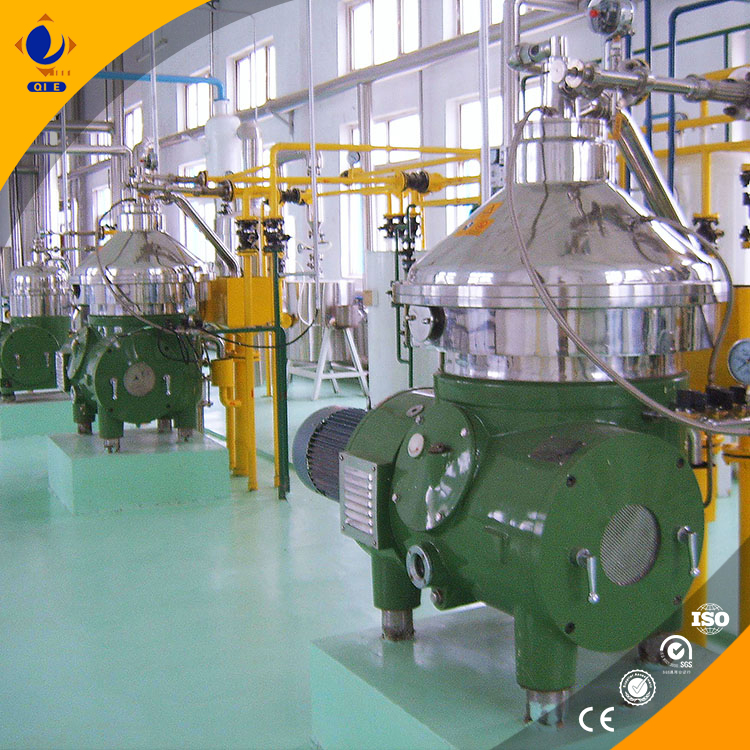
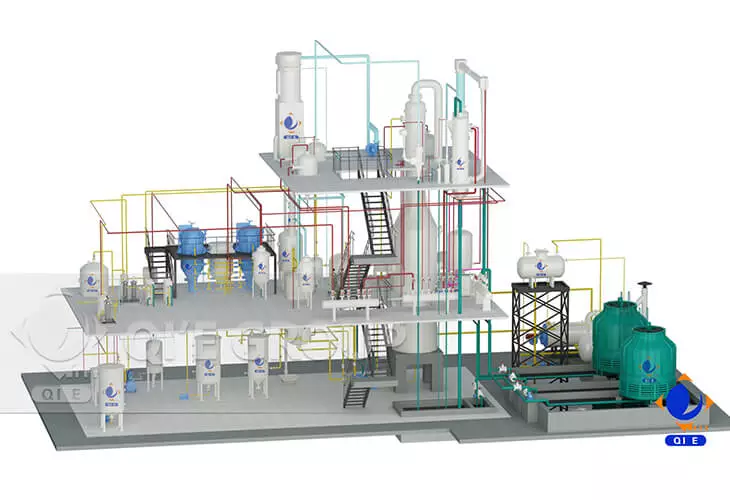
Enhancing oil quality and maximizing yield extends beyond the press. Auxiliary equipment plays vital roles:
Supercritical CO2 extraction has revolutionized walnut oil production by delivering exceptional oil quality with minimal thermal degradation. Here's why it matters:
However, high capital investment and operational complexity limit widespread adoption, confining its use mainly to high-end producers emphasizing organic and health-focused markets.

Post-extraction processes are crucial to maintain oil integrity and appeal:
These steps not only safeguard quality but also enhance market competitiveness by meeting consumer expectations for freshness and authenticity.
Q1: How does kernel moisture affect oil yield?
A1: Optimal moisture (~6-8%) prevents kernel hardening and promotes efficient oil release, balancing between pressing ease and microbial safety.
Q2: Why choose hydraulic press over screw press for premium oil?
A2: Hydraulic presses apply gentle pressure with less heat, preserving flavor profiles and nutrient content essential for high-grade oils.
Q3: Is supercritical CO2 extraction sustainable?
A3: Yes, it uses non-toxic CO2 and reduces chemical waste, aligning with green manufacturing goals despite higher initial costs.

 97
|
97
|
 Palm kernel oil centrifuge
Decanter centrifuge
Disc centrifuge
Oil purification technology
Palm oil processing equipment
145
|
palm kernel crusher selection
crusher particle size control
energy efficiency optimization
palm kernel oil extraction
production cost reduction
Palm kernel oil centrifuge
Decanter centrifuge
Disc centrifuge
Oil purification technology
Palm oil processing equipment
145
|
palm kernel crusher selection
crusher particle size control
energy efficiency optimization
palm kernel oil extraction
production cost reduction
 233
|
cottonseed oil degumming
hydration degumming parameters
phospholipid removal in cottonseed oil
cottonseed oil bleaching earth
cottonseed oil acid value control
432
|
palm kernel crusher troubleshooting
crusher maintenance for oil extraction
palm kernel particle size optimization
hammer crusher vs roller crusher
oilseed processing equipment
125
|
palm kernel crusher selection
hammer crusher vs roller crusher
palm kernel crushing particle size
crusher maintenance tips
palm kernel oil extraction
233
|
cottonseed oil degumming
hydration degumming parameters
phospholipid removal in cottonseed oil
cottonseed oil bleaching earth
cottonseed oil acid value control
432
|
palm kernel crusher troubleshooting
crusher maintenance for oil extraction
palm kernel particle size optimization
hammer crusher vs roller crusher
oilseed processing equipment
125
|
palm kernel crusher selection
hammer crusher vs roller crusher
palm kernel crushing particle size
crusher maintenance tips
palm kernel oil extraction