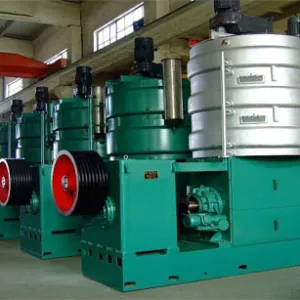
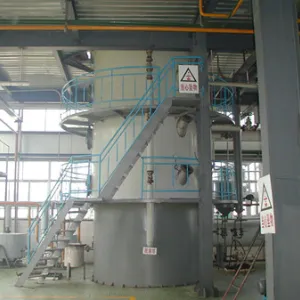
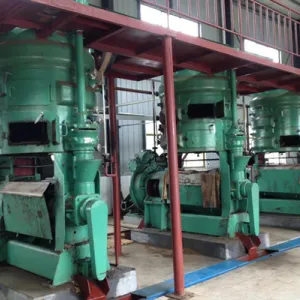
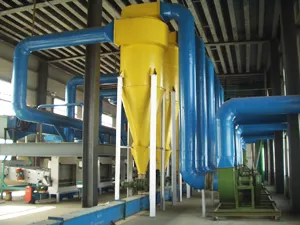
Edible oil production line equipment connects each essential stage of processing—from receiving and preparing oilseeds to extracting, handling, refining, storing and packaging the finished oil. For mustard seed processors, the right line configuration depends on the selected extraction method, required capacity, local utility conditions and the intended finished-oil specification.
Qi'e Grain and Oil Machinery Co., Ltd. develops and supplies oil pressing equipment, oil production line equipment and oil refining equipment for processors seeking a practical, process-oriented approach to edible oil production. The equipment can be configured for mustard oil extraction as well as other oilseed processing applications.
A complete edible oil production line is not a single machine. It is an integrated processing system designed to move oilseeds through controlled stages while supporting product quality, operational continuity and efficient material handling. Depending on the project scope, a line may include oilseed cleaning, pretreatment, pressing or solvent extraction, crude oil filtration, refining, storage and packaging.
| Processing Stage | Main Purpose | Typical Equipment |
|---|---|---|
| Oilseed cleaning | Remove stones, dust and other foreign materials before processing. | Seed cleaning equipment |
| Pretreatment and conditioning | Prepare seed material for the selected extraction route. | Cooking kettle or heating equipment for hot pressing |
| Oil extraction | Separate oil from prepared oilseeds by pressing or solvent extraction. | Screw oil press, mustard seed oil press or solvent extraction system |
| Crude oil handling | Remove suspended solids and manage crude oil before downstream treatment. | Plate filter press or pressure leaf filter |
| Refining, storage and packaging | Prepare oil for the required finished product standard and commercial handling. | Oil refining equipment, storage tanks, filling and packaging units |
Mustard oil extraction begins with clean mustard seeds. The extraction route should be selected according to production objectives, desired oil characteristics, processing scale and the plant’s available infrastructure. The three commonly considered methods are cold pressing, hot pressing and solvent extraction.
Cold pressing processes cleaned mustard seeds at relatively low temperatures through mechanical pressing. This method is commonly considered when preserving the oil’s natural flavor, nutritional components and characteristic pungency is a priority.
Operational consideration: Cold pressing may provide a lower oil yield than other extraction approaches, making seed quality and production planning especially important.
Hot pressing uses cleaned and heated or cooked mustard seeds before mechanical extraction. Conditioning the material can support faster processing and a higher oil yield compared with cold pressing.
Operational consideration: Heating conditions should be managed carefully because they can affect the natural flavor profile and some nutritional characteristics of the oil.
Solvent extraction treats prepared mustard seed material with a solvent, commonly hexane, to recover oil. It is generally associated with high extraction efficiency and requires a dedicated, more complex process system.
Operational consideration: The process requires suitable equipment and controls for solvent recovery and removal, as well as careful attention to plant safety, environmental requirements and finished-oil handling.
Equipment is selected according to the process route rather than as isolated units. A well-matched system helps maintain a stable flow from raw seed intake to finished oil storage or packaging.
Before specifying edible oil production line equipment, processors should define the project’s material, process and operating requirements. This creates a clearer basis for selecting oil pressing equipment, oil refining equipment and auxiliary systems.
Mechanical pressing or solvent extraction produces crude oil that may contain fine solids and other components requiring further treatment. Filtration is an important handling stage for removing suspended particles. Where a refined edible oil is required, the production line can incorporate oil refining equipment as part of the overall process design.
The appropriate level of processing should be determined by the raw material, extraction method, intended market and finished-oil quality requirements. Equipment selection should therefore be evaluated as a connected production system, not only by the capacity of an individual machine.
Qi'e Grain and Oil Machinery Co., Ltd. serves B2B oilseed processors with equipment and line solutions covering oil pressing, edible oil production and oil refining. For a mustard oil extraction project, a suitable configuration starts with a clear understanding of seed condition, target capacity, extraction method, crude oil treatment needs and final packaging requirements. This process-focused approach helps align equipment selection with the practical needs of the planned operation.

 248
|
 Qi'e Grain and Oil Machinery Co., Ltd. overseas grain and oil processing project equipment configuration installation and commissioning technical service
 206
|
mustard seed oil pre-treatment process mustard seed cleaning and drying moisture control for oil pressing screw press oil extraction optimization mustard seed crushing parameters
 260
|
rice bran residue biomass fuel calorific value analysis pelletizing process optimization biomass fuel raw materials green energy transformation
254
|
Qi'e Grain and Oil Machinery Co., Ltd. eco-friendly equipment high-efficiency processing B2B procurement grain and oil machinery industry
313
|
Qi'e Group grain and oil machinery EPC delivery installation service project management